Gravel biking is growing exponentially. This growth brings a wave of cutting-edge technology. This technology is designed to make rides faster, more comfortable, and more enjoyable.
Gravel bike manufacturers and tech companies are pushing the boundaries of what’s possible. In this article, we’ll explore the most exciting gravel bike tech innovations. We will highlight the trends that are shaping the future of this rapidly evolving discipline.
1. Integrated Cockpit Systems
One of the most notable advancements in gravel bike technology for 2024 is the integration of cockpit systems. Traditionally, handlebars, stems, and cables were separate components. However, new designs have streamlined these elements to reduce drag and enhance aerodynamics. They also maintain comfort and control on rough terrains.
Why This Matters:
Integrated cockpits improve the bike’s aesthetics by hiding cables within the frame. They also reduce wind resistance, making long rides more efficient. Brands like Canyon and Specialized have introduced models with fully integrated handlebar systems. These systems optimize control. They do not sacrifice durability, which is essential for gravel biking’s diverse conditions.
Key Features:
- Hidden cables for a cleaner look and less maintenance.
- Enhanced aerodynamics to reduce drag on long gravel rides.
- Customizable designs that allow riders to tweak their setups based on preferences.
Example: Canyon Grizl CF SLX
The Canyon Grizl CF SLX introduced a fully integrated cockpit system for 2024. It is designed to handle rugged terrains. It provides riders with precision steering and reduced wind resistance. This innovation makes it a top choice for long-distance gravel events where both speed and control are critical.
2. Wider Tubeless Tyres with Advanced Compounds
In gravel biking, tyre choice can make or break your ride. 2024 sees a significant focus on wider tubeless tyres with new, more durable rubber compounds. These tyres are designed to enhance traction, reduce rolling resistance, and provide more comfort on bumpy or rocky surfaces.
Why This Matters:
Wider tyres offer better stability and control, especially when tackling loose gravel or technical trails. The switch to tubeless systems is nothing new. However, manufacturers are now focusing on more advanced compounds. These compounds make the tires more resistant to punctures and wear. They also improve ride quality.
Key Features:
- Wider tyre sizes (45mm and above) for improved traction.
- Durable, puncture-resistant compounds that reduce the need for mid-ride repairs.
- Lower tyre pressures that increase comfort and control over uneven surfaces.
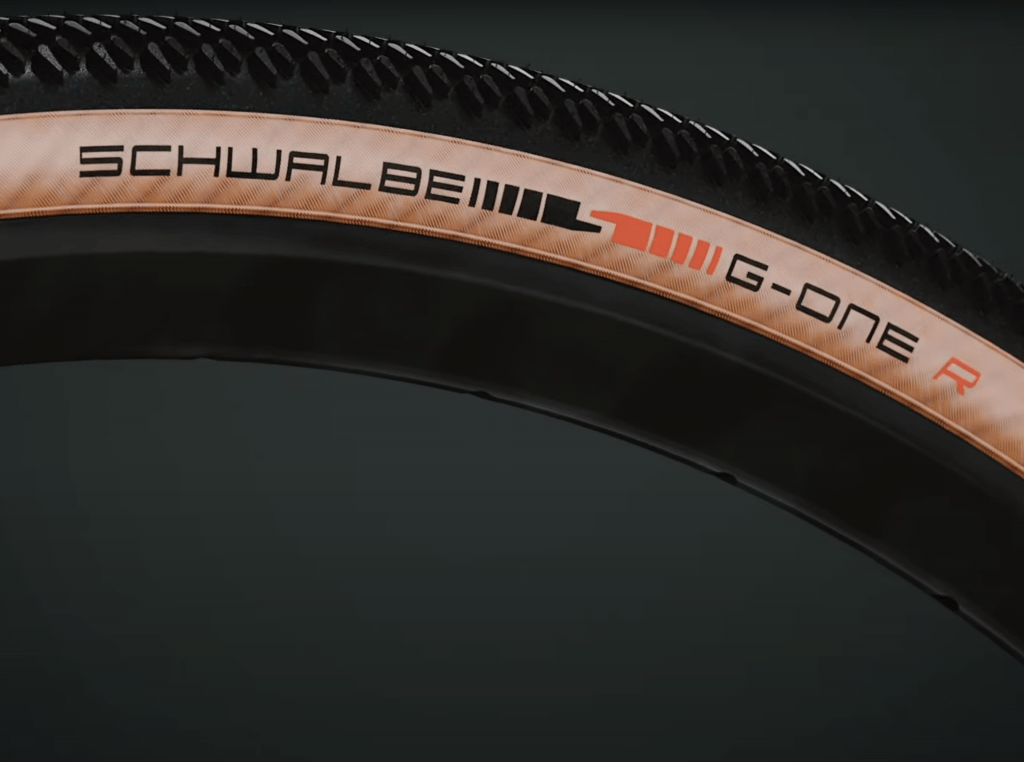
Example: Schwalbe G-One R 2024
The Schwalbe G-One R tyre has been upgraded for 2024. It features a new “Dual Tread Compound” that increases grip on loose terrain. This compound maintains low rolling resistance on smoother paths. This tyre is now available in a 50mm width, offering maximum stability and comfort for gravel riders.
3. Wireless Electronic Shifting
Electronic shifting has revolutionized road cycling. Now, it’s making a big splash in the gravel biking world. For 2024, wireless electronic shifting systems have become more refined and accessible, offering precise, smooth gear changes in any conditions.
Why This Matters:
Gravel rides often involve sudden changes in terrain, making seamless shifting a critical advantage. Wireless shifting systems allow riders to change gears effortlessly without the risk of cable stretch or mechanical failure. Furthermore, the lack of cables means less dirt and mud can interfere with your bike’s performance.
Key Features:
- Instant, smooth gear shifts even under heavy load.
- No cables to collect dirt or require frequent maintenance.
- Customizable shifting through smartphone apps, allowing riders to personalize their setup.
Example: SRAM Force AXS 12-Speed
The 2024 SRAM Force AXS offers 12-speed wireless electronic shifting tailored for gravel riding. Its “Wide” version comes with a broader gear range, ideal for the varied demands of gravel paths. The system is also compatible with a wider rear derailleur. This feature allows the use of a 10-36 cassette for tackling steep climbs and descents.
4. Gravel-Specific Suspension Systems
Suspension technology, traditionally associated with mountain bikes, has now entered the gravel bike arena in 2024. Gravel bikes don’t need the full travel of mountain bike suspension. However, companies have developed gravel-specific suspension systems that absorb small to medium bumps. These systems do so without compromising efficiency.
Why This Matters:
Suspension adds comfort on long rides, especially when navigating rocky or washboard sections of gravel roads. The goal is to provide just enough shock absorption to smooth out the ride. It should also keep the bike fast and responsive on smoother sections.
Key Features:
- Short-travel front suspension systems designed for gravel.
- Integrated seatpost suspension to reduce vibration on rough roads.
- Lightweight designs that don’t add unnecessary bulk to the bike.
Example: Fox 32 Taper-Cast Fork
The Fox 32 Taper-Cast Fork is specifically designed for gravel bikes. It offers 40mm of travel to absorb shocks. It maintains a lightweight profile. Paired with the new Redshift ShockStop seatpost, this setup ensures a smoother ride over rough terrain without adding excess weight.
5. Hydraulic Disc Brakes with Improved Modulation
Braking systems are crucial in gravel biking. Conditions can change rapidly from loose gravel to packed dirt. Riders may also encounter steep descents. For 2024, hydraulic disc brakes have seen enhancements in stopping power. They have also improved modulation. These improvements allow riders to maintain better control, even in wet or muddy conditions.
Why This Matters:
Riders benefit from improved modulation. This allows them to apply precise amounts of braking force. Precise braking is essential when navigating technical sections of a trail. The advancements in hydraulic braking systems ensure reliable performance in all weather and terrain conditions. These advancements provide peace of mind during long adventures.
Key Features:
- Better modulation for more controlled braking.
- Increased stopping power to handle steep and technical descents.
- Enhanced performance in wet and muddy conditions.
Example: Shimano GRX 820
The Shimano GRX 820 hydraulic disc brake system, new for 2024, features improved modulation and stopping power. It is designed specifically for gravel riding. It offers consistent braking performance even in challenging conditions. This ensures riders can safely navigate unpredictable trails.
6. Bikepacking-Specific Frame Designs
As gravel riding continues to merge with bikepacking, 2024 has brought new frame designs optimized for multi-day adventures. Gravel bikes now come with integrated mounts for racks, bags, and extra water bottles. This ensures that riders have everything they need for extended trips.
Why This Matters:
Bikepacking requires extra gear and supplies, so gravel bikes need to balance weight, durability, and storage capacity. The latest frame designs ensure riders can carry everything, from spare tubes to camping gear. They achieve this without sacrificing the bike’s handling or performance.
Key Features:
- Multiple mounting points for racks, bags, and bottles.
- Longer wheelbases for better stability with heavy loads.
- Durable frames that can handle both gravel riding and the rigors of bikepacking.
Example: Salsa Cutthroat 2024
The Salsa Cutthroat, a pioneer in gravel bikepacking, has been updated for 2024. It now features additional frame mounts and a more robust carbon frame. Its geometry is tailored for comfort on long-distance gravel rides. Its storage capacity makes it an excellent choice for riders planning multi-day bikepacking trips.

Conclusion
The tech innovations shaping gravel biking in 2024 offer an exciting glimpse into the future of the sport. Wireless shifting systems and wider tubeless tires are enhancing the capabilities of gravel bikes. Advanced suspension and integrated cockpit designs are making them more comfortable than ever. Whether you’re a seasoned rider or new to gravel biking, these advancements will make your rides more enjoyable. They ensure your biking experiences are efficient and adventurous. As the gravel biking community continues to grow, we can expect even more groundbreaking innovations in the years to come.
Have we missed anything? Let us know in the comments below.
Want more insights and tips delivered straight to your inbox? Subscribe to my blog and stay updated with the latest posts, exclusive content, and helpful resources crafted just for you!

Leave a comment