Introduction: Why Gravel Cycling is Ideal for Mature Riders
If you’re over 50 and looking for a way to stay active without punishing your joints, gravel cycling might be the perfect solution. Unlike high-impact activities like running or competitive team sports, gravel cycling offers a low-impact, adaptable workout that strengthens muscles, improves cardiovascular health, and — importantly — protects your joints.
This article explains why gravel cycling is so joint-friendly, how it compares to other sports for over-50 riders in the UK, and how you can start reaping the benefits right now.
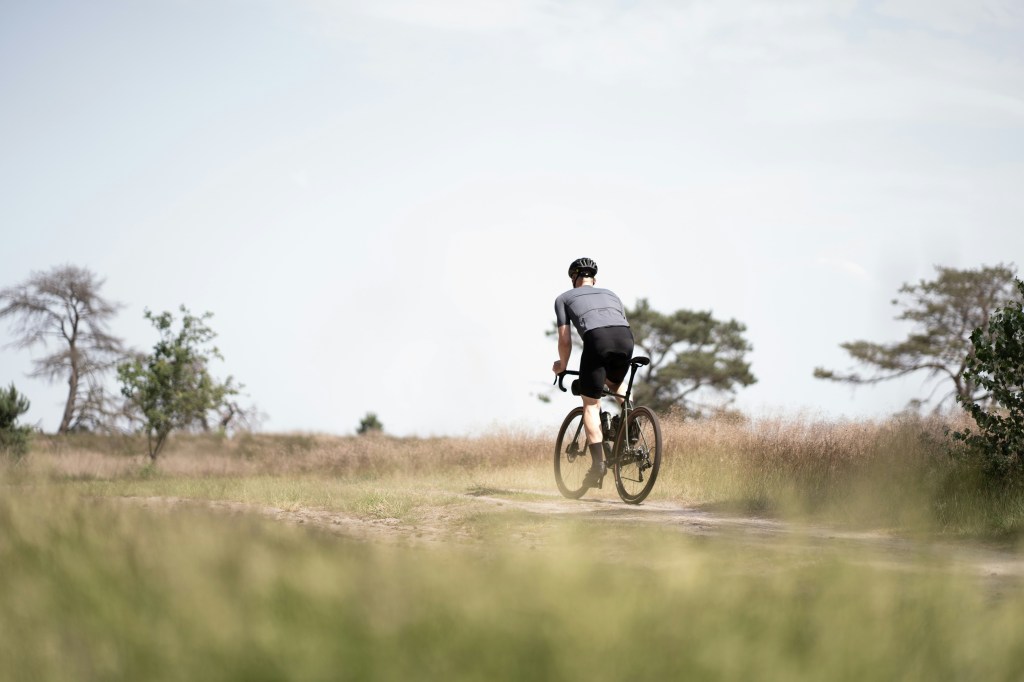
1. Low-Impact Motion: Your Joints Will Thank You
When you pedal, your knees, hips, and ankles move in a smooth, controlled range of motion. There’s no jarring impact as there is in running or HIIT classes. For over-50 riders, this can mean less inflammation, fewer flare-ups of arthritis, and a lower risk of wear-and-tear injuries.
Many UK riders discover gravel cycling as a way to keep fit after joint surgery or years of pounding the pavement. By taking your rides off busy roads and onto scenic bridleways or forest trails, you’re also removing another source of strain — mental stress from traffic.
2. Gentle but Effective Muscle Engagement
The repetitive motion of cycling strengthens your quadriceps, hamstrings, and glutes without overloading your joints. This increased muscle support helps stabilise your knees and hips, which is crucial for longevity in your riding life.
By shifting between seated and standing climbs, and by varying cadence, gravel cycling engages stabilising muscles in your core and lower back, reducing postural issues that can creep in after 50.
If you haven’t already optimised your riding position, read Why a Professional Bike Fit Matters for Cyclists Over 50.
3. Shock Absorption: The Role of Gravel Bikes in Joint Care
Modern gravel bikes are designed with features that help absorb vibration:
- Wider tyres (38–45mm) that can run at lower pressures for extra cushioning
- Compliant frames made from carbon or steel
- Flared handlebars for better control and reduced wrist strain
These design features allow you to ride longer without the discomfort that often keeps older riders off the bike.
Pro Tip: Keep Your Drivetrain Running Smooth
Consistent cleaning and lubrication make a massive difference to shifting performance and chain life—especially on wet UK gravel rides. I trust Muc-Off because their products are fast, effective and designed for real-world riding conditions.
👉 Check out the latest Muc-Off cleaning kits here
*Affiliate link—this means I may earn a small commission at no extra cost to you. Thanks for supporting the site and helping keep the wheels turning.*
4. How Gravel Cycling Supports Joint Health on a Biological Level
While this is a science-light explanation, here’s what’s happening inside your body:
- Synovial Fluid Production: The gentle movement of cycling stimulates synovial fluid, which lubricates and nourishes joint cartilage.
- Cartilage Preservation: Regular low-impact exercise can slow cartilage degeneration associated with osteoarthritis.
- Reduced Inflammation: Moderate aerobic activity can reduce inflammatory markers in the body, easing joint pain.
5. Mental Health Benefits: Stress and Pain Management
Long-tail keyword: gravel cycling mental health
Joint health isn’t just about the physical. Pain perception is strongly linked to mental wellbeing. Riding traffic-free trails, hearing birdsong, and moving at your own pace can lower cortisol levels and improve your pain tolerance.
A 90-minute ride on a Sunday morning through the Peak District can be as good for your mind as it is for your knees.
6. Choosing the Right Bike for Joint-Friendly Gravel Riding
The wrong bike can undo many of the joint benefits of cycling. Look for:
- A relaxed geometry frame for less strain on your lower back
- Wider, tubeless tyres for extra comfort
- Gear ratios that let you spin rather than grind up hills
Check out The 5 Best Gravel Bikes Under £2,000 for Cyclists Over 50 in the UK for recommendations.
7. Best UK Gravel Routes for Joint-Friendly Riding
Some UK trails are smoother and more forgiving for riders with sensitive joints. Favourites include:
- The Camel Trail, Cornwall – flat, scenic, and traffic-free
- Forest of Dean Family Trail – ideal for building confidence
- Tissington Trail, Peak District – gentle gradients and stunning views
Read our guide: Scenic Gravel Cycling Routes in the UK for Riders Over 50
Planning your own local route? Make sure you read article Where can I ride my gravel bike in the UK?
8. Practical Tips to Protect Your Joints While Riding
- Warm up with 5–10 minutes of gentle pedalling before pushing harder
- Stand out of the saddle occasionally to change the load on your knees
- Use clipless pedals with float to allow natural foot movement
- Keep your cadence high (80–90rpm) to reduce joint strain
Conclusion: Gravel Cycling Over 50 is a Long-Term Investment in Your Joints
You don’t have to give up on active adventures after 50. Gravel cycling combines the joy of exploring the UK’s green spaces with joint-friendly movement that supports long-term health. With the right bike, setup, and riding habits, you can keep moving comfortably for decades.
Enjoyed this guide? Subscribe to our blog for weekly gravel cycling tips tailored to over-50 UK riders — including gear reviews, route guides, and health advice you can trust.


Leave a comment