It’s one thing to admit where you need to improve — it’s another to have a plan to do something about it. Over the next six months, I’ll be working on my speed, weight, and climbing in preparation for the Dirty Reiver 200km. They are all inter-related.
Getting Faster
Speed doesn’t come overnight, but structured training helps. I’ll be mixing longer endurance rides with shorter, sharper sessions. Indoors, MyWhoosh is giving me interval workouts to push my pace. Outdoors, I’ll focus on riding with purpose — not just cruising, but adding efforts that build the strength and stamina. I need to keep a steady pace across 200km. My average speed for the last 2 Reivers and Frontier300 was 15km, which was acceptable, but not where I want to be – I want to increase this to 20km (a big ask!).
Losing Weight
I know every kilo I drop makes the climbs easier and helps me last longer in the saddle. That means tightening up my nutrition, cutting out the bad stuff, cutting back on the “empty” calories, and fuelling rides properly so I don’t bonk. It’s not about dieting — it’s about eating smarter to support training.
What’s a cycling bonk? “A cycling bonk is a sudden, overwhelming state of fatigue that occurs when the body’s glycogen stores are depleted during a long ride. It is also known as ‘hitting the wall’ and is characterized by extreme weakness, loss of power, dizziness, and mental fog, making it nearly impossible to continue cycling effectively. To avoid a bonk, cyclists must properly fuel their bodies before and during long rides to replenish energy stores.”
Climbing Better
The Dirty Reiver is unforgiving when it comes to hills and climbing. To improve, I’ll be seeking out hills local to me and making them part of my regular rides. Indoors, I’ll use resistance sessions to simulate climbing efforts. It’s not about sprinting up climbs, but learning to pace them, conserve energy, and recover quickly so I can keep rolling.
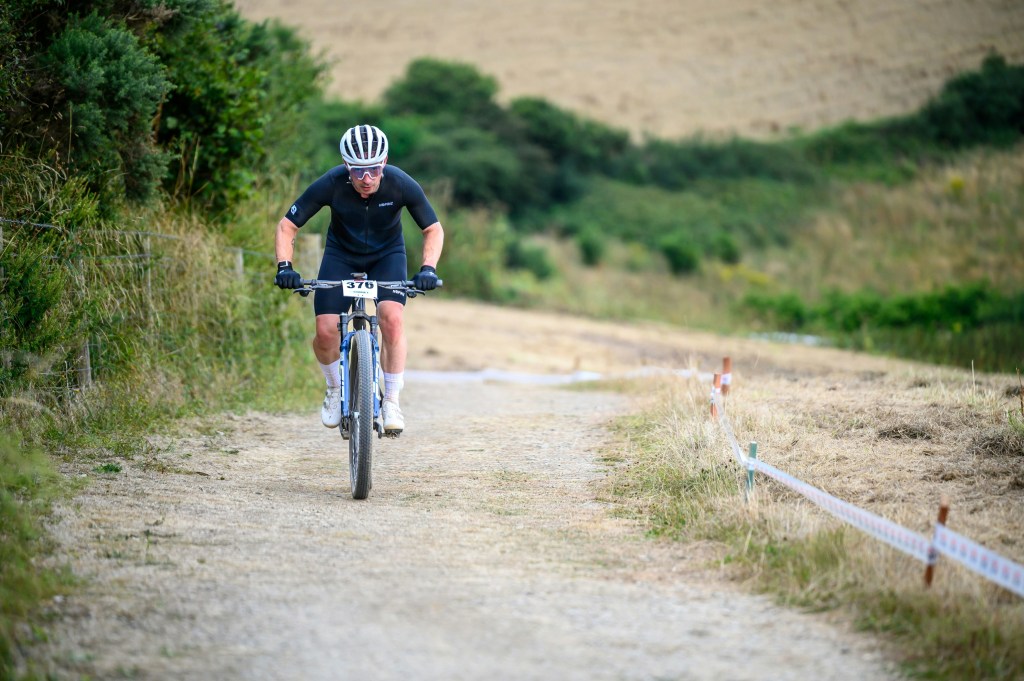
This is my plan – it won’t be easy, but it’s all achievable if I stay consistent. Six months of honest effort could be the difference between pulling out early and finally crossing that 200km finish line.
Training takeaway from this post: Break your big goal down into smaller, focused targets. Work on each consistently, and the bigger picture starts to take care of itself.
The journey to the Dirty Reiver 2026 is just getting started, and I’ll be sharing training tips, ride insights, and lessons learned along the way. Subscribe now to follow the Dirty Reiver Diaries and never miss an update. I’d also love to hear from you — what are your biggest challenges when training for long gravel rides? Share your tips or questions in the comments below, and let’s build a community of riders helping each other cross that 200km finish line.

Leave a comment