Gravel cycling is booming across the UK, and riders over 50 are leading the charge. Whether you’re new to gravel riding or returning to cycling after a break, one thing becomes clear quickly: recovering well is just as important as the ride itself. Many cyclists in their 50s, 60s, and beyond notice that fatigue lasts longer, legs feel heavier after big rides, and niggling aches appear more often than they used to.
The good news? With the right recovery strategies, older gravel cyclists can ride stronger, feel fresher, and avoid the common overuse injuries that slow many riders down. In fact, smart recovery helps mature cyclists perform better than younger riders—thanks to improved pacing, discipline, and consistency.
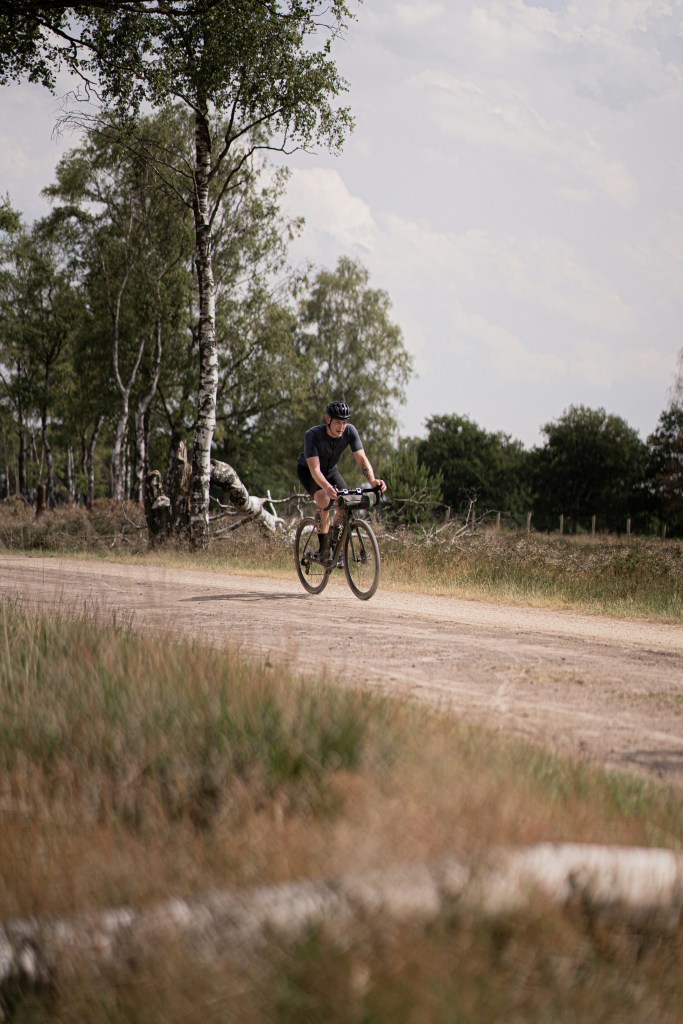
This guide is packed with the best recovery techniques for gravel cyclists over 50, including how to reduce fatigue after long gravel rides, the most effective post-ride nutrition for older cyclists, mobility and strength routines that boost resilience, and practical injury-prevention strategies tailored specifically for riders aged 50 and above.
Whether you’re a beginner gravel rider or an experienced cyclist looking to stay strong for decades to come, this article will show you exactly how to recover faster, feel better, and keep enjoying your gravel adventures.
Why Recovery Matters More Once You Hit 50
Let’s start with some straight-talk biology (without the confusing jargon).
From around age 50 onwards:
- Muscle repair slows down
- Inflammation lasts longer
- Hormones shift, affecting sleep and energy
- Collagen reduces, impacting joints and tendons
- You lose muscle mass faster without strength training
- Your body takes longer to return to homeostasis after long or intense exercise
None of this is a reason to slow down your gravel adventures. But it is a reason to pay closer attention to how you recover—because recovery is effectively the engine that allows you to keep riding, improving, and enjoying your adventures without burnout or injury.
The Biggest Mistake Riders Over 50 Make
Most older gravel cyclists don’t struggle because they train too hard.
They struggle because they recover too little.
It’s not the ride itself that makes you stronger—
it’s the recovery that follows.
If you’ve ever wondered:
- Why do I feel wiped out after a long gravel ride?
- Why does fatigue linger for days?
- Why am I getting little niggles more often?
- Why does a 4-hour gravel ride hit me harder than it used to?
…the answer is rarely fitness.
It’s recovery habits.
Now let’s get into the practical, evidence-based strategies that make the biggest difference.
1. Gradual Load: The Foundation of Healthy Progress Over 50
A key part of the best recovery techniques for gravel cyclists over 50 is managing your training load.
Use the “10% Rule”
Increase weekly mileage or intensity by no more than 10% at a time.
Large spikes in training load are the most common cause of:
- joint pain
- tendon irritation
- excessive fatigue
- motivation dips
- overuse injuries
Your body thrives on steady, predictable progress.
Break Big Rides into Blocks
Instead of a hard 50-mile gravel epic, split it into:
- 20 miles easy +
- short break +
- 20 or 30 miles steady
This reduces stress on joints and tendons while maintaining endurance benefits.
2. How to Reduce Fatigue After Long Gravel Rides
Fatigue hits differently after 50. But you can manage it easily by supporting your body from the moment you step off the bike.
a) The 30–90 Minute Recovery Window
This is where the magic happens. In the hour after a ride, focus on:
✔ Hydration
Older riders naturally lose more fluid and take longer to replace it.
Drink:
- water + electrolytes
- 500–750ml within 30–60 minutes
Electrolytes are especially important on hilly or warmer rides where sweat loss increases.
✔ Post-Ride Nutrition
This is where many new gravel cyclists aged 50+ fall short.
The ideal post-ride snack should include:
- Protein (muscle repair)
- Carbohydrates (energy restoration)
- Antioxidants (reduce inflammation)
Good UK-friendly options:
- Greek yoghurt with berries
- Tuna or chicken sandwich
- Protein shake + banana
- Eggs on toast
- Smoothie with berries, protein, oats
This single habit drastically reduces next-day soreness.
✔ Light Movement
Don’t flop onto the sofa straight after riding.
A 10–15 minute walk helps clear metabolic waste and reduce stiffness.
3. Sleep: The Ultimate Recovery Tool for Gravel Cyclists
Sleep isn’t a “nice to have”—it’s the most powerful recovery technique available.
During sleep you:
- repair muscle
- rebalance hormones
- consolidate motor learning (handling, skills, cadence)
- clear inflammation
- restore central nervous system energy
But sleep often gets trickier after 50.
Improve sleep by:
- keeping your bedroom cool
- avoiding screens an hour before bed
- limiting caffeine after midday
- developing a simple wind-down routine (reading, stretching, breathing)
- reducing alcohol on training days
Aim for 7–8 hours whenever possible.
4. Post-Ride Nutrition Tips for Gravel Cyclists
Nutrition is one of the most effective—yet overlooked—ways to improve recovery.
Protein: Your Best Friend
After age 50, your body becomes less efficient at turning dietary protein into muscle tissue. This is known as anabolic resistance.
Solution:
Spread protein across the day.
Aim for:
- 25–35g protein per meal
- A post-ride protein snack within 60 minutes
- Include protein at breakfast (often the missing meal)
Anti-Inflammatory Foods
Your diet can either fuel inflammation or fight it.
Great choices:
- Berries
- Oily fish (salmon, sardines, mackerel)
- Leafy greens
- Olive oil
- Nuts and seeds
- Turmeric + black pepper
These foods help reduce soreness and improve recovery speed.
Hydration Matters More Than You Think
As you age, your thirst signal becomes weaker.
Aim for:
- sip water regularly throughout the day
- electrolytes on rides longer than 90 minutes
- extra fluids in the evening after big rides
A hydrated cyclist recovers significantly faster.
5. The Role of Strength Training for Riders Over 50
Many older cyclists assume strength training is optional.
In reality, it is one of the most important injury prevention and recovery strategies for older gravel riders.
Cycling alone does not build strength.
It builds endurance.
To stay strong, powerful, and resilient, you must use your muscles in other ways.
Benefits of Strength Training After 50
- protects joints and tendons
- boosts bone density
- improves climbing power
- reduces back and neck pain
- enhances bike stability and control
- improves muscle recovery speed
- reduces age-related muscle loss
A Simple Weekly Plan
2 sessions per week (20–30 minutes)
Include exercises like:
- squats
- hip hinges (deadlifts, kettlebell deadlifts)
- lunges
- core stability
- upper-body push/pull work
Strength training doesn’t need to be heavy. It just needs to be consistent.
6. The Best Mobility & Stretching Routine for 50+ Gravel Cyclists
Gravel cycling involves repetitive positioning and constant vibration. This tightens:
- hip flexors
- glutes
- hamstrings
- lower back
- shoulders
- neck
A simple 10-minute muscle recovery routine for 50-plus endurance cyclists can dramatically improve comfort.
Try this after rides or in the evening:
- Cat–cow (spine mobility) – 1 minute
- Hip flexor stretch – 1 minute per side
- Glute stretch / figure 4 – 1 minute per side
- Thoracic rotation – 1 minute per side
- Calf stretch + ankle mobility – 1 minute each
- Neck mobility (gentle circles) – 1 minute
Consistency matters more than perfection.
7. How to Listen to Your Body
Cyclists over 50 tend to be mentally tougher and better at pacing.
But they’re also more likely to ignore early warning signs.
What’s “normal” fatigue?
- legs feel heavy but improve during warm-up
- mild stiffness the day after a long ride
- overall tiredness but no sharp pains
What’s a warning sign?
- persistent pain
- sudden loss of power
- soreness that lasts more than 72 hours
- increasing fatigue with decreasing performance
- poor sleep for multiple nights
- elevated resting heart rate
- “dead legs” that don’t warm up
This is where smart recovery becomes critical.
8. Injury Prevention and Recovery Strategies for Older Gravel Riders
Injuries are not inevitable. Most can be prevented by managing your load and strengthening the right muscles.
Here are the most effective strategies:
a) Build Strength (Legs + Core + Upper Body)
This reduces strain on joints and improves bike handling.
b) Improve Mobility and Flexibility
A more mobile body absorbs trail vibration better.
c) Maintain Good Bike Fit
Even small misalignments feel bigger after 50.
Signs of poor bike fit include:
- knee pain
- lower-back pain
- discomfort in hands or wrists
- saddle sores
- numbness
- neck stiffness
A proper fit reduces injury risk dramatically.
d) Prioritise Recovery Days
At least 1–2 rest days per week. This isn’t a weakness; it’s where progress happens.
e) Don’t Skip Warm-Ups
A 5–10 minute warm-up reduces tendon and muscle strain.
9. 48-Hour Recovery Plan After a Long Gravel Ride
If you’ve ever wondered exactly how to reduce fatigue after long gravel rides for seniors, follow this simple plan consistently.
Immediately After Your Ride
- Drink electrolytes
- Eat protein + carbs
- Light stretching
- 10–15 minute walk
Evening
- Balanced meal with protein + veg
- Gentle mobility
- Early night
The Next Day
- Active recovery: walking, light spin, or yoga
- Hydrate
- Anti-inflammatory foods
Day Two
- Return to normal moderate training
This plan prevents the “two-day slump” many riders aged 50+ experience.
10. Recovery Tools Worth Considering for 50+ Gravel Cyclists
Not essential, but useful:
Foam roller
Helps with tight quads, IT band, glutes, and back.
Massage gun
Good for targeted relief, especially 24 hours after a ride.
Electrolyte tablets
Useful for preventing cramps and fatigue.
Compression socks
Some riders find them helpful for circulation after long rides.
Omega-3 supplements
Can help manage inflammation, particularly for aching joints.
11. Mental Recovery: The Hidden Part of Endurance Cycling
Life stress affects recovery more as you age.
Even moderate training can feel harder if:
- work is hectic
- sleep is disrupted
- you’re stressed
- your weekly routine is unpredictable
Allow yourself mental downtime.
Cycling is meant to be a joy, not another stressor.
Simple ways to recover mentally:
- ride with friends
- pick scenic routes
- leave the GPS at home occasionally
- listen to nature
- focus on fun, not performance
Happiness speeds up recovery.
12. A Weekly Training Structure That Works for Over-50 Gravel Cyclists
A great balance for most riders aged 50+ might look like:
- 2 rides per week (one longer, one shorter)
- 1–2 strength sessions
- 3–5 mobility sessions
- 1 rest day
Repeatable, realistic routines always outperform short bursts of enthusiasm.
13. The Takeaway: You Can Ride Stronger Than Ever in Your 50s, 60s, and Beyond
Getting older doesn’t mean slowing down your passion for gravel. It just means training smarter.
When you apply the best recovery techniques for gravel cyclists over 50, dial in your post-ride nutrition, build strength, and use effective injury prevention strategies, you’ll quickly notice:
- less soreness
- more energy
- easier climbing
- improved power
- better endurance
- fewer niggles
- more fun on the bike
Gravel cycling becomes not only sustainable, but deeply rewarding.
14. FAQ: Recovery for Gravel Cyclists Over 50
1. How can cyclists over 50 recover faster after long gravel rides?
Cyclists over 50 recover faster by focusing on post-ride hydration, consuming protein and carbohydrates within 60 minutes, doing light mobility work, and prioritising high-quality sleep. Active recovery, consistent strength training, and managing weekly training load also speed up recovery.
2. Why do I feel more fatigued after gravel rides as I get older?
Fatigue increases with age due to slower muscle repair, reduced hormone levels, lower collagen production, and longer inflammation cycles. These natural changes make recovery habits more important for cyclists in their 50s and beyond.
3. What is the best post-ride meal for cyclists aged 50 and over?
The best post-ride meal includes:
- Protein for muscle repair
- Carbohydrates to replenish energy
- Antioxidants to reduce inflammation
Examples: Greek yoghurt with berries, a chicken or tuna sandwich, a protein shake with a banana, or eggs on toast.
4. How many rest days should cyclists over 50 take each week?
Most cyclists over 50 benefit from 1–2 rest days per week, depending on ride intensity and fitness level. Rest days help prevent overuse injuries, lingering fatigue, and performance plateaus.
5. How long does it take to recover from a long gravel ride at age 50+?
It typically takes 24–48 hours to recover from a long gravel ride when you hydrate properly, refuel promptly, sleep well, and do light movement the following day. Poor recovery habits can extend this to 72 hours or more.
6. What are the best supplements for cycling recovery for older riders?
Useful supplements for riders over 50 include electrolytes, omega-3 fatty acids, vitamin D, and high-quality protein. Supplements should support—not replace—good sleep, nutrition, and training habits.
7. How much protein should cyclists over 50 eat each day?
Older cyclists should aim for 25–35g of protein per meal, plus a post-ride protein snack. This helps counter age-related anabolic resistance and supports muscle repair after gravel rides.
8. How do I reduce muscle soreness after gravel cycling?
Reduce soreness by using electrolytes, consuming protein and carbs soon after riding, stretching gently, using a foam roller or massage gun, staying hydrated, and ensuring 7–8 hours of sleep. Strength training also reduces long-term soreness.
9. What causes lingering leg fatigue in older cyclists?
Lingering leg fatigue is usually caused by under-fueling, dehydration, poor sleep, rapid increases in training load, or inadequate recovery time. A structured recovery routine typically resolves this.
10. Should cyclists over 50 still do strength training?
Yes. Strength training is one of the most effective ways for cyclists over 50 to reduce injury risk, improve power, maintain muscle mass, and recover more quickly between rides.
15. Conclusion: Recover Smarter, Ride Stronger After 50
Getting older doesn’t mean slowing down—especially in the world of gravel cycling. With the right recovery habits, riders in their 50s, 60s, and beyond can ride further, feel stronger, and enjoy their adventures more than ever. Supporting your body with smart training load management, proper post-ride nutrition, quality sleep, mobility work, and strength training ensures you stay healthy, resilient, and ready for the next ride.
The most successful older cyclists aren’t the ones who push the hardest—they’re the ones who recover the smartest. By applying these recovery techniques for gravel cyclists over 50, you’ll reduce fatigue, prevent injuries, improve comfort on the bike, and maintain the energy to explore the trails you love.
Remember: consistency beats intensity, good habits beat good luck, and your best cycling years don’t have to be behind you. With a thoughtful approach to recovery, they can be ahead of you.
If you found this guide helpful, make sure to download your free resource: “Recovery Secrets for Gravel Cyclists Over 50.” It’s packed with simple routines, nutrition guidance, and practical tips to help you keep riding strong—no matter your age.
Download Our Free Guide: ‘Recovery Secrets for Gravel Cyclists Over 50‘ by clicking the download button below.
Subscribe below to receive these posts direct in your inbox.
Read our latest posts here:
- Strength, Stability and Staying Upright: The Fitness Most Gravel Riders Ignore
- Building Gravel Fitness Without Breaking Yourself: How to Train Smarter at 50+
- New Year, New Legs: A Realistic Fitness Reset for Gravel Riders Over 50
- Best Map Apps & Tools for Planning UK Gravel Cycling & Bikepacking Trips (Beginners Guide)
- Best Cycling Shoes for Gravel Riders Over 50: Comfort, Fit & Top Picks for UK Trails

Leave a comment