Updated for 2025
By Gravel Endurance
Why the Right Gravel Cycling Shoes Matter More After 50
Comfort becomes more important than ever once you hit your 50s — especially on rough, bumpy UK gravel. Many riders notice subtle but important changes in their feet: a bit of extra width, less natural cushioning, lower arches, and more sensitivity to pressure points.
The wrong shoes can lead to:
- Numb toes
- Tingling or burning sensations
- Knee or ankle pain
- Hot spots
- General foot fatigue
The right shoes, on the other hand, provide:
- Better support
- Even pressure distribution
- Stability on mixed terrain
- More comfort for long days out
- Confidence both on and off the bike
In short: your shoes can make or break a gravel ride.
Types of Gravel Cycling Shoes
Gravel shoes fall into three main styles, each suited to different riding preferences.
1. Performance Gravel Shoes
Stiff, lightweight, efficient — similar to road shoes but compatible with SPD cleats.
Best for riders who value speed and power transfer.
2. Adventure / All-Day Gravel Shoes
Slightly more flexible, very walkable, and comfortable for long distances.
Ideal for bikepacking, rough tracks, and off-bike time.
3. Trail-Style MTB Shoes Used for Gravel
Chunkier sole, maximum grip, very stable.
Great for riders who push up steep sections or ride mixed terrain.
Key Features to Look For (Especially Over 50)
As your feet change with age, certain features become far more important.
✔ Wide-Fit Options
Space in the toe box helps prevent numbness. Shimano, Lake, and Specialized excel here.
✔ BOA or Micro-Adjust Closures
Feet swell during long rides. BOA dials allow quick on-the-fly adjustments.
✔ Moderate Stiffness
Ultra-race stiffness can cause pain. A mid-range stiffness offers the best comfort-to-efficiency balance.
✔ Supportive Insoles
Help stabilise the foot and protect the knees.
✔ Grippy Walkable Sole
Essential for UK-style gravel with gates, roots, and unexpected hike-a-bike moments.
✔ Ventilation
Reduces overheating and keeps circulation flowing in the forefoot.
Comfort Priorities for Riders Over 50
1. Roomier Toe Box
Helps avoid pressure on nerves and blood vessels.
2. Mid-Ride Adjustability
A dial is easier than laces, especially with gloves.
3. Flexible Forefoot
Adds comfort when walking or climbing on foot.
4. Support in the Heel and Arch
Prevents foot collapse or rolling, which can affect knees and hips.
5. Materials that “Break In” Gently
Soft uppers mould to the foot better than ultra-stiff synthetic racing shoes.
How Much Stiffness Do You Need?
Gravel is not the same as road riding — and your feet will thank you for choosing wisely.
- Very stiff soles transfer power well but can cause discomfort over rough terrain.
- Too flexible and you lose efficiency, especially on climbs.
For most riders over 50, the ideal stiffness score is 6–8 out of 12 — firm enough for efficient pedalling but forgiving enough for comfort.
Getting the Right Fit and Size
Here’s what to look for during fitting:
- You should be able to wiggle your toes comfortably.
- Your heel should be secure, with no rubbing.
- The shoe shouldn’t feel tight at the widest part of your foot.
- Try shoes while wearing your actual cycling socks.
- Check fit in the afternoon — your feet will be slightly swollen, mimicking long-ride conditions.
Brands with Good Fit Options
- Shimano – wide options
- Lake – known for comfort-first design
- Giro – supportive, natural fit
- Specialized – Body Geometry for joint alignment
The Best Gravel Cycling Shoes for Riders Over 50 (2025 Picks)
Below are the best options for comfort, durability, and performance — all suitable for UK gravel conditions.
🏆 1. Shimano RX6 — Best Overall for Comfort
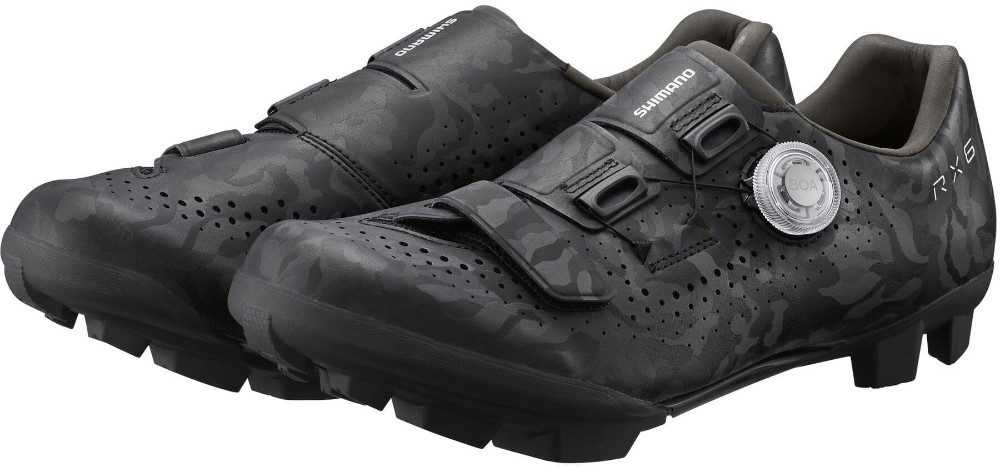
The RX6 strikes the ideal balance for older riders: supportive, walkable, and available in wide sizes.
Why it works well for riders over 50:
- Forgiving fit
- Excellent power transfer without harsh stiffness
- Upper moulds comfortably around the foot
- Durable for wet UK conditions
Perfect for: weekend gravel rides, 50–100km days, general comfort seekers.
Buy on Tredz here
⚡ 2. Specialized S-Works Recon — Best for Power & Performance
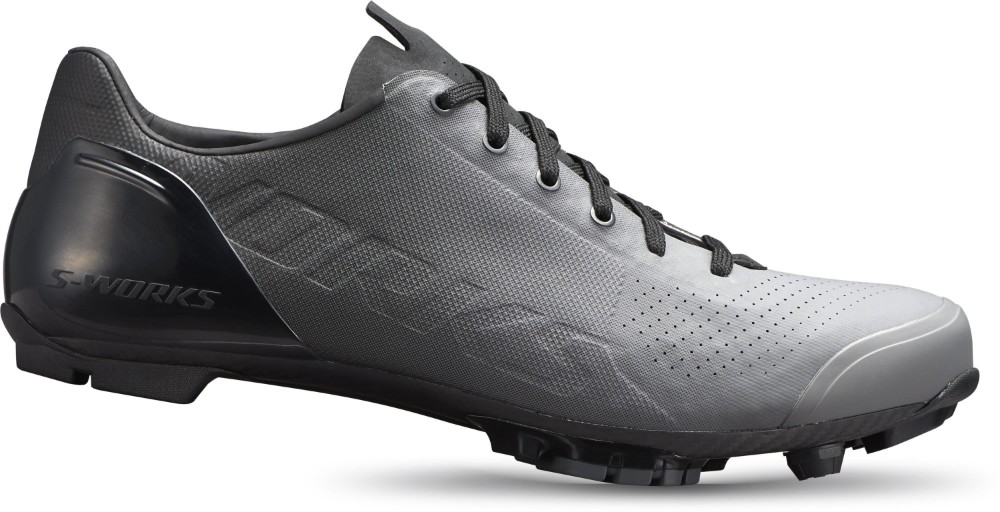
A top-tier shoe for riders who still enjoy pushing the pace or entering events.
Why it’s great:
- Exceptional stability
- Brilliant ventilation
- Premium footbed support
Who it suits best:
Fitness-focused gravel riders who value efficiency.
Note: Very stiff — not ideal if you prefer softer-feeling shoes.
Buy on Tredz here
👟 3. Fizik Terra Atlas — Best Value for Money
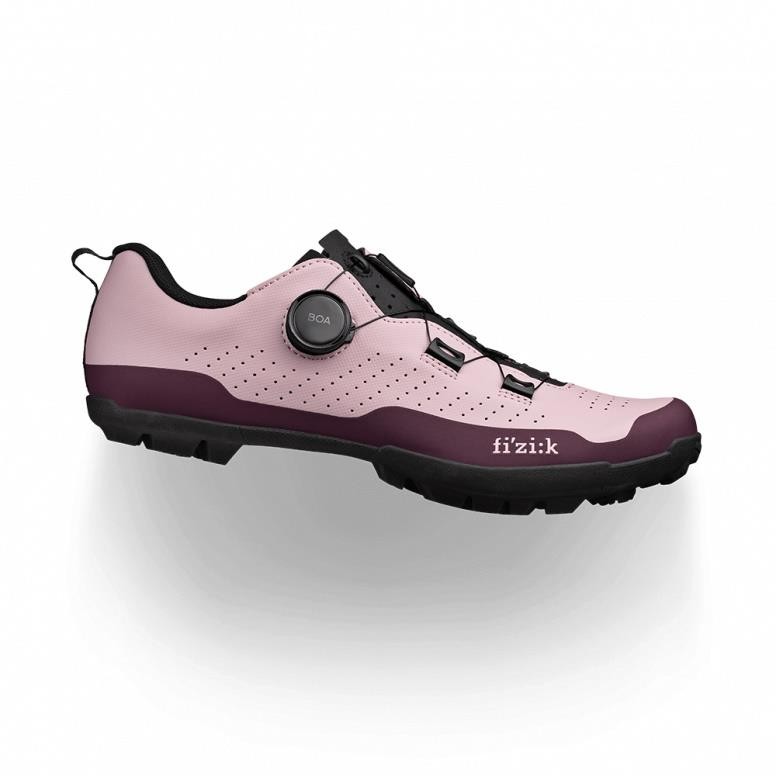
One of the best all-round gravel shoes under £150.
Why it’s excellent:
- Comfortable straight out of the box
- Walkable
- Durable
- Stylish and available in multiple colours
A superb “buy once, use everywhere” shoe.
Buy on Tredz here
🥾 4. Northwave Rockit / Corsair — Best for Wet, Muddy UK Conditions
These shoes are incredibly practical for typical British weather.
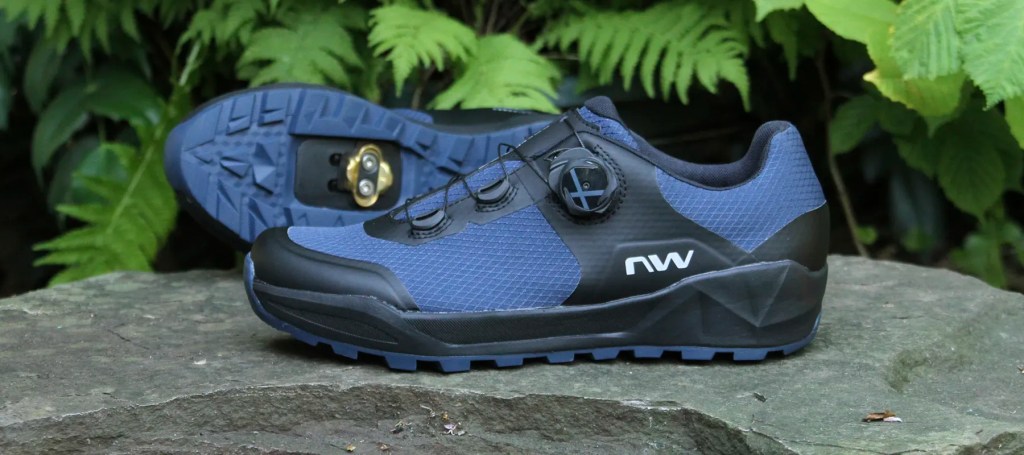
Highlights:
- Weather-resistant materials
- Sticky sole for slippery conditions
- Comfortable flex for walking
- Great price point
Perfect if you ride on muddy forest tracks or wet bridleways.
Budget-Friendly Gravel Cycling Shoes (Under £120)
Decathlon Rockrider Explore
Comfortable, versatile, and surprisingly well-made for the price.
Shimano ME3
Not purely gravel, but a solid option for riders needing comfort and value.
Giro Ranger
Well-padded, reliable, and ideal for new or casual gravel cyclists.
Cleats, Pedals & Setup Tips for Over-50 Riders
✔ Use SPD cleats
Walkable, durable, and perfect for gravel.
✔ Start with a neutral cleat angle
Feet pointing straight ahead works for most riders.
✔ Adjust Q-factor if knees feel strained
Move cleats slightly outward to reduce knee pain.
✔ Don’t overtighten your shoes
Your feet swell over a ride — loosen the BOA occasionally.
Foot Health & Pain Prevention
Small tweaks can make huge differences.
For numb toes:
Try insoles with metatarsal support.
For knee pain:
A supportive heel cup keeps your foot aligned.
For hot spots:
Check tight laces or overly stiff soles.
For bunions:
Choose a wide toe box and softer uppers.
For temperature regulation:
Use thin, moisture-wicking socks — merino is ideal.
Frequently Asked Questions
Are gravel shoes different to MTB shoes?
Gravel shoes are usually lighter, stiffer, and more breathable, but both use SPD cleats.
Do I need carbon soles?
Only if you race or prefer maximum stiffness. Most riders over 50 prefer mid-stiffness models.
Are BOA dials worth it?
Yes — especially since they allow quick mid-ride adjustments.
What if my feet swell?
Choose a shoe with a supple upper and adjustability. A half-size up can also help.
Final Thoughts
Gravel cycling is one of the best ways to stay active, healthy, and adventurous after 50 — and the right shoes can transform your comfort and enjoyment on the bike.
Whether you’re riding mellow bridleways or tackling big gravel adventures, prioritise:
- Fit
- Support
- Comfort
- Walkability
- Flexibility where you need it
You don’t need the stiffest or most expensive shoe on the market.
You just need the pair that keeps your feet happy mile after mile.
If you enjoyed this article, subscribe to receive similar articles direct to your inbox.
Read our latest articles
- New Year, New Legs: A Realistic Fitness Reset for Gravel Riders Over 50
- Best Map Apps & Tools for Planning UK Gravel Cycling & Bikepacking Trips (Beginners Guide)
- Best Cycling Shoes for Gravel Riders Over 50: Comfort, Fit & Top Picks for UK Trails
- Gravel Cycling Luggage Guide: Best Bags & Packing Tips for UK Riders.
- Last-Minute Christmas Gifts for Gravel Cyclists.

Leave a comment