If you’ve already started riding again after the New Year reset, well done.
That first step—getting out consistently—is the hardest part. But once you’ve found a rhythm, a new question usually appears:
‘How do I get fitter without ending up exhausted, injured, or losing motivation?‘
This is where many riders over 50 come unstuck. Not because they lack commitment, but because they unknowingly ask too much of their bodies, too often—especially when riding gravel.
This article is about training smarter, not harder. It’s about understanding how gravel stress, recovery, and age interact, so you can keep improving without burning out.
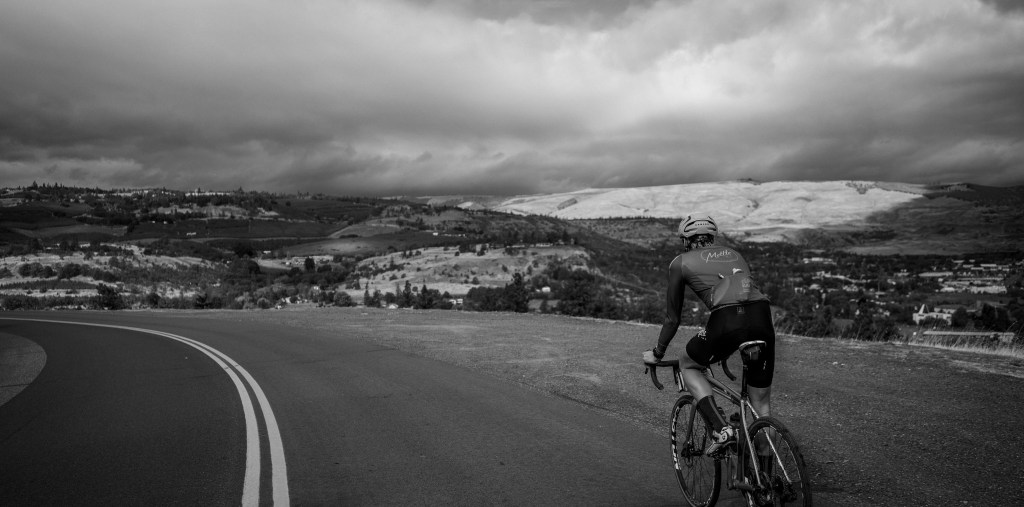
Why Gravel Riding Feels Harder Than the Numbers Suggest
If you’re coming from road cycling—or even years of casual riding—gravel can feel deceptively tough.
A ride that doesn’t look demanding on paper often leaves you feeling far more fatigued. That’s because gravel adds hidden stress:
- Constant micro-adjustments for balance
- Riding over uneven and loose surfaces
- More upper-body and core involvement
- Lower cadence climbing on rough tracks
- Frequent changes in pace
All of this increases fatigue, even when your speed is low.
For riders over 50, that matters. You can accumulate stress quickly without realising it—and that’s where overtraining starts.
The Biggest Mistake: Too Many Medium-Hard Rides
One of the most common patterns in gravel riders is this:
- Every ride feels a bit hard
- Nothing feels truly easy
- Nothing feels properly hard either
This grey zone riding feels productive, but it’s actually the fastest way to stall progress—especially at 50+.
Why?
Because:
- Easy rides don’t help you recover
- Hard rides aren’t hard enough to trigger adaptation
- Fatigue quietly builds week after week
The result is flat legs, sore joints, and declining enthusiasm.
Looking for a 2026 UK gravel or bike packing event to train towards? Visit our 2026 Gravel Events page here
How Many Hard Rides Do You Really Need?
Here’s the honest answer for most beginner and intermediate gravel riders over 50:
👉 One hard-ish ride per week is plenty.
Sometimes even less.
That one harder effort might be:
- A ride with lots of climbing
- A group ride where the pace lifts naturally
- Short efforts into headwinds
- A ride where you intentionally push a bit
Everything else should feel comfortable enough that you could ride again the next day if needed.
If that sounds too easy, remember: improvement comes from what your body does after the ride—during recovery.

Beyond Tarmac
Gravel cycling newsletter — published weekly.
What Easy Really Means on Gravel
Easy riding on gravel can be confusing.
You’re slower. The surface fights you. The bike feels heavier. And yet—you’re still working.
An easy gravel ride should feel:
- Breathing under control
- Legs warm but not burning
- Effort sustainable for hours
You should finish feeling:
- Tired but not drained
- Stiff, not sore
- Ready to ride again soon
If every ride leaves you needing two or three days off, it’s not easy enough.
Recovery: Your Most Underrated Training Tool
At 50+, recovery isn’t optional—it’s essential.
Fitness improves when your body repairs itself between rides. Skip recovery, and you’re just accumulating fatigue.
Simple recovery habits that actually work:
- Easy spins instead of complete rest
- Walking on non-riding days
- Prioritising sleep over extra miles
- Eating properly after rides, not just during
You don’t need ice baths, compression boots, or supplements. You need time and consistency.
Warning Signs You’re Doing Too Much
Your body is very good at telling you when something’s off—if you listen early.
Watch for:
- Legs that feel heavy before you even start
- Sore tendons that don’t settle overnight
- Poor sleep despite being tired
- Irritability or lack of motivation
- Declining performance on familiar routes
If two or more of these show up, reduce intensity for a week. You won’t lose fitness—but you might prevent an injury.
A Simple Weekly Structure That Works
For many gravel riders over 50, a smart week looks like this:
- 2 easy rides
Comfortable pace, no pressure - 1 harder ride
Slightly challenging, but controlled - Rest or active recovery days
Walk, stretch, or short spins
That’s it.
No spreadsheets. No guilt. No chasing numbers.
Progress Doesn’t Look Dramatic—and That’s a Good Thing
Gravel fitness builds quietly.
You’ll notice:
- Hills feel less intimidating
- You recover faster after rides
- Rough sections feel more manageable
- You finish rides with energy left
These changes happen gradually—but they’re reliable when you train within your limits.
The Smarter Way Forward
If there’s one thing to take from this article, it’s this:
You don’t need to push harder to improve.
You need to push less, more often.
Training smarter isn’t about restraint—it’s about longevity. And gravel riding rewards riders who can keep turning up, week after week, year after year.
Frequently Asked Questions
Is gravel riding harder than road cycling?
Yes. Gravel riding places more stress on the body due to uneven surfaces, loose climbs, and constant balance adjustments. Even at lower speeds, it often feels harder than road cycling—especially for riders over 50.
How often should I ride gravel at 50+?
Most riders over 50 do best with 2–4 rides per week. A simple structure of two easy rides and one harder ride allows fitness to improve without excessive fatigue or injury risk.
How many hard gravel rides should I do each week?
For beginner and intermediate gravel riders over 50, one hard ride per week is usually enough. More frequent hard efforts often lead to accumulated fatigue rather than better fitness.
What does an easy gravel ride feel like?
An easy gravel ride should feel comfortable and sustainable, with controlled breathing and no burning in the legs. You should finish feeling tired but capable of riding again the next day.
What are the signs of overtraining in older gravel cyclists?
Common warning signs include heavy legs before riding, lingering joint or tendon soreness, poor sleep, loss of motivation, irritability, and declining performance on familiar routes.
Coming Up Next
In the next article, we’ll step off the bike and look at strength, stability, and balance—the often-ignored fitness that makes gravel riding safer, smoother, and more enjoyable, especially as we get older.
Until then:
Ride steady. Recover well. And remember—fitness is built by the rides you can repeat, not the ones that flatten you. 🚴♂️
Want gravel cycling and bikepacking posts sent direct to your mailbox? subscribe below:
Read our latest posts here:
- Strength, Stability and Staying Upright: The Fitness Most Gravel Riders Ignore
- Building Gravel Fitness Without Breaking Yourself: How to Train Smarter at 50+
- New Year, New Legs: A Realistic Fitness Reset for Gravel Riders Over 50
- Best Map Apps & Tools for Planning UK Gravel Cycling & Bikepacking Trips (Beginners Guide)
- Best Cycling Shoes for Gravel Riders Over 50: Comfort, Fit & Top Picks for UK Trails

Leave a comment