If gravel riding makes you a little nervous, you’re not alone.
Loose surfaces, ruts, wet chalk, muddy bridleways, uneven descents—it’s all part of the fun, but it can also feel intimidating, especially if you’re new to gravel or riding more as you get older.
Here’s the good news: confidence on gravel isn’t just about skill or bravery. A huge part of it comes down to strength and stability, and that’s something you can improve—often more easily than fitness on the bike.
This article is about the kind of fitness most gravel riders overlook, but which becomes increasingly important after 50.
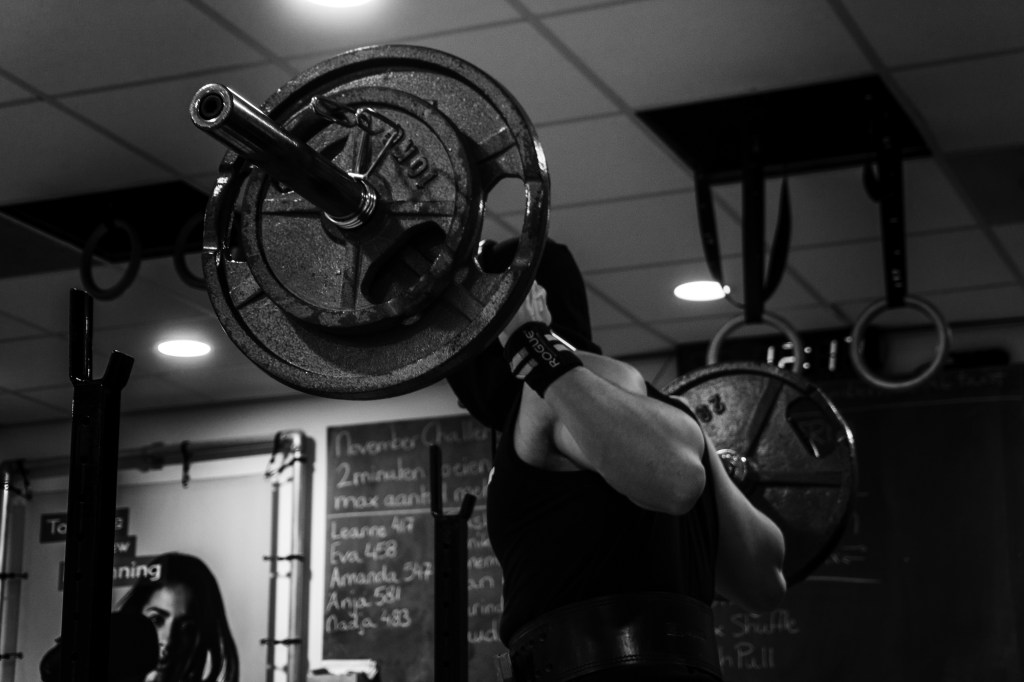
Why Gravel Demands More Than Just Pedalling
On the road, you can get away with being a bit lopsided or weak in certain areas. The smooth surface hides a lot of sins.
Gravel doesn’t.
Every rough track asks more from:
- Your core, to stabilise the bike
- Your hips and glutes, to stay balanced and generate power
- Your arms and shoulders, to control the front end
- Your grip, to stay relaxed rather than tense
If these areas fatigue, confidence drops quickly—even if your legs still feel strong.
That’s why some riders feel fit but still uneasy on gravel.
Strength Training Isn’t About Lifting Heavy
Let’s clear up a common misunderstanding.
Strength training for gravel riding at 50+ is not about:
- Big weights
- Bulking up
- Spending hours in a gym
It’s about:
- Joint stability
- Balance
- Control
- Injury resistance
Think of it as supporting your riding, not replacing it.
The Areas That Matter Most for Gravel Riders Over 50
You don’t need to train everything. Focus on what gives the biggest return.
1. Hips and Glutes
Strong hips keep your knees happy and your pedal stroke stable, especially when climbing on loose ground.
2. Core (Front and Back)
A stable core helps you stay relaxed over rough terrain and reduces lower-back fatigue.
3. Upper Body
Gravel riding isn’t just legs. Your arms and shoulders absorb shock and steer the bike when things get sketchy.
4. Balance
Balance is a skill—and like any skill, it improves with practice.
A Simple 15-Minute Routine (Twice a Week)
You don’t need special equipment or loads of time. Two short sessions a week can make a real difference.
Try this at home:
- Bodyweight squats – 2 x 10
- Glute bridges – 2 x 10
- Standing lunges – 2 x 8 each side
- Plank (or knee plank) – 2 x 20–30 seconds
- Bird dog – 2 x 6 each side
- Single-leg balance – 30 seconds each leg
That’s it.
Do it on non-riding days or after an easy ride. If it feels easy, slow it down rather than adding more reps.
Looking for a 2026 UK gravel or bike packing event to take part in? Visit our 2026 gravel events page here
Balance Training: The Quiet Game-Changer
Balance tends to decline gradually with age—but gravel riding rewards riders who keep it sharp.
Simple balance drills that really help:
- Stand on one leg while brushing your teeth
- Step over obstacles slowly and deliberately
- Practice slow-speed riding on easy trails
- Try stopping and starting on uneven ground
These small skills add up to:
- Better control
- Faster reactions
- Fewer panicked moments
And yes—fewer falls.
Why Strength Training Reduces Injury Risk (It Doesn’t Increase It)
Many riders avoid strength work because they fear injury. In reality, not doing it is often the bigger risk.
After 50:
- Tendons adapt more slowly
- Muscle mass declines if unchallenged
- Joint stability becomes more important
Gentle, consistent strength work:
- Protects knees and Achilles
- Reduces lower back issues
- Improves posture on the bike
The key is moderation. You should finish feeling worked, not wrecked.
How This Translates Directly to Gravel Riding
When strength and stability improve, riders often notice:
- More relaxed hands and shoulders
- Better control on descents
- Less fear on loose climbs
- Improved confidence when tired
These changes don’t show up on Strava—but they absolutely show up on the trail.
Making It Stick Without Overthinking It
You don’t need to be perfect.
If you manage:
- Two short sessions per week
- For six to eight weeks
…you’ll feel the difference.
Tie it to a habit you already have—after a ride, before breakfast, or while watching the news.
The Bigger Picture
Gravel riding isn’t just about moving forward—it’s about staying upright, relaxed, and in control when conditions aren’t ideal.
Strength and stability give you:
- Confidence
- Resilience
- Freedom to ride more varied terrain
And for riders over 50, that’s real endurance.
Coming Up Next
In the final article of this New Year fitness series, we’ll look at the hardest part of all: staying consistent beyond January—how to keep riding when motivation fades, the weather turns, and life gets busy.
For now, remember:
You don’t need to be stronger than the gravel.
You just need to be strong enough to ride it comfortably. 🚴♀️

Leave a comment