Introduction
If you’ve recently returned to cycling, are new to gravel, or want to explore the UK’s trails in a fresh, adventurous way, bikepacking offers freedom, excitement, and a chance to reconnect with the simple joys of cycling.
Over 50? Perfect. You bring patience, wisdom, and stamina built over years of life. Bikepacking isn’t about suffering or ultralight obsession — it’s about comfort, preparation, and enjoyment.
This guide is your bikepacking kit list UK riders can trust, with practical tips, packing strategies, and essential gear recommendations for beginners and returning riders alike.
Why Bikepacking Is Perfect for Over-50s Gravel Riders
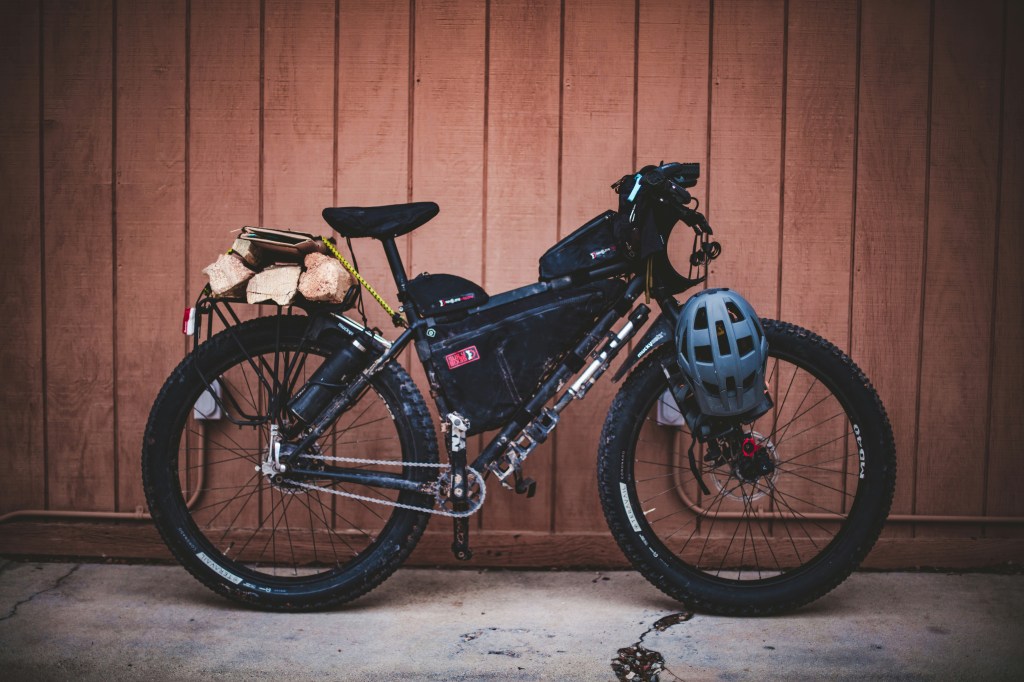
Bikepacking suits riders in their 50s and beyond because it allows:
- Pacing yourself naturally — no need to sprint or compete
- Exploring scenic trails — UK bridleways, canal paths, quiet backroads
- Building confidence on new terrain — gradual exposure without pressure
- Adventure at your own speed — carry what you need, leave what you don’t
The goal is efficiency and enjoyment, not speed. With the right setup, a multi-day gravel ride becomes seamless.
Understanding the Core of Bikepacking Gear Prep
A complete bikepacking gear checklist for multi-day trips includes:
- Bike and luggage setup
- Sleeping system
- Clothing layers
- Food and cooking
- Tools, repairs, and safety
Missing one of these categories can compromise comfort, safety, and enjoyment.
Bike & Luggage: The Foundation of Your Setup
Bike Choice
Your bike doesn’t need to be high-end. Many UK riders over 50 use:
- Gravel bikes with wider tyres (38–45mm)
- Hardtail or rigid MTBs (2.0”–2.3” tyres)
- Hybrid or adventure bikes
Comfort and fit are key. Handling with a loaded bike is more important than flashy components.
Luggage Strategy
A stable, beginner-friendly setup:
- Seat pack: sleeping bag, clothes
- Handlebar bag/roll: sleeping mat, tent
- Frame bag: food, stove, heavier items
- Top tube bag: snacks, phone, lip balm
Packing tips (how to pack bikepacking bags efficiently):
- Heavy items low and central
- Bulky, light items higher
- Frequently used items easily accessible
Popular UK-friendly brands: Apidura, Restrap, Alpkit, Tailfin.
Sleeping System: Comfort is King
Over 50, sleep quality is essential.
- Tent or bivvy: lightweight tents are recommended; bivvies are lighter but less comfortable
- Sleeping mat: insulated, inflatable mats (R-value 3+ recommended for UK conditions)
- Sleeping bag or quilt: synthetic for damp UK weather; down if you can keep it dry
Good sleep prevents stiffness, soreness, and morale loss.
Clothing: Layer Up for UK Weather
UK weather is unpredictable. Layers are critical.
Riding Clothing
- Padded shorts or bibs
- Merino/technical base layers
- Lightweight fleece/insulated jacket
- Waterproof jacket
- Full-finger gloves
- Cycling cap or buff
Camp Clothing
- Thermal leggings
- Warm socks
- Insulated jacket
- Dry shoes or sandals
Pro tip: change out of riding kit immediately after finishing for comfort and recovery.
Ultralight Bikepacking Gear for Beginners
Ultralight is freedom, not suffering.
Good swaps:
- Inflatable mat instead of foam
- Titanium/aluminium mug instead of steel
- Multi-use items (buff = scarf/headband/eye mask)
- Compressible sleeping bag
Avoid overthinking ultralight gear if comfort suffers. Focus on ultralight bikepacking gear for beginners that keeps you safe and warm.
Food & Cooking: Simple, Reliable, and Energising
You don’t need gourmet gear. Essentials:
- Small gas stove and 100g canister
- Lightweight pot with lid
- Spork or utensil
- Mug for drinks
Food ideas:
- Porridge sachets
- Dehydrated meals
- Instant noodles
- Sandwiches
- Trail mix
Always carry emergency snacks — morale savers when hills sneak up.
Hydration: The Silent Priority
Two bottles minimum (more in summer). Consider:
- Electrolyte tablets
- Collapsible bottles
- Small filter for remote rides
Hydration mistakes hit harder as we age.
How to Pack Bikepacking Bags Efficiently
Efficient packing makes your ride easier and safer.
- Seat Pack: sleeping bag, clothes, camp layers (compress tightly)
- Handlebar Bag/Roll: tent, sleeping mat, dry bag
- Frame Bag: food, stove, heavier items low and central
- Top Tube Bag: snacks, phone, sunscreen, lip balm (cockpit pantry)
Check symmetry and balance — important on gravel for stability.
Best Bikepacking Gear for Cold Weather Riding
UK nights can be unexpectedly cold. Essential gear:
- Insulated sleeping mat (R-value 4+ for spring/autumn)
- Warm sleeping bag (comfort rating 0–5°C)
- Thermal layers
- Lightweight down jacket
- Dry socks and gloves
This ensures your ride is safe, comfortable, and enjoyable even in shoulder seasons.
Essential Bikepacking Repair and Tool Kit
The essential bikepacking repair and tool kit ensures self-sufficiency:
- Multitool with chain breaker
- Pump
- Spare tubes
- Tubeless repair kit
- Tyre levers
- Quick link
- Chain lube
- Duct tape on pencil
- Zip ties
- Optional: spare derailleur hanger, mini first aid kit
Confidence comes from knowing you can fix most minor problems on trail.
Tips for Over-50 Gravel Cyclists
- Start with short overnight trips before multi-day rides
- Prioritise comfort over speed — slow and steady wins
- Track load weight: aim for 10–12kg including bike
- Practice packing and unpacking at home
- Learn basic bike maintenance skills
FAQ
Q: What is the best bikepacking kit list UK riders should start with?
A: Bike, three bags, tent, sleeping mat, sleeping bag, layers, food, water, and repair kit. Refine gradually.
Q: What should be on a bikepacking gear checklist for multi-day trips?
A: Shelter, sleeping system, food, water, clothing layers, tools, navigation, and emergency items.
Q: Is ultralight bikepacking gear for beginners worth it?
A: Yes, if comfort isn’t sacrificed. Focus on lighter alternatives for non-essential items.
Q: How do I pack bikepacking bags efficiently?
A: Heavy items low, bulky light items high, frequently used items accessible. Use seat, handlebar, frame, and top tube bags wisely.
Q: What is the best bikepacking gear for cold weather riding?
A: Insulated mat, warm sleeping bag, thermal layers, down jacket, dry socks, waterproof gloves.
Q: What is an essential bikepacking repair and tool kit?
A: Multitool, pump, tubes, puncture kit, quick link, chain lube, tape, zip ties, optional derailleur hanger, mini first aid kit.
Final Thoughts: Confidence Over Perfection
Bikepacking after 50 is about confidence, not competition. With the right bikepacking kit list UK riders trust, your rides will be more enjoyable, safer, and rewarding.
- Prioritise comfort
- Pack efficiently
- Stay warm and hydrated
- Be self-sufficient but realistic
Adventure is not just for the young — it’s for anyone willing to plan smart and ride with curiosity.
Call to Action
Enjoying this guide?
Subscribe to Gravel Endurance for practical gravel and bikepacking advice tailored to UK riders over 50. Get tips, checklists, and inspiration straight to your inbox.
👉 Subscribe now and join the Beyond Tarmac community.
 Beyond Tarmac — Weekly UK gravel & bikepacking newsletter with gear reviews, event coverage, training tips, and interviews.
Subscribe Free →
Beyond Tarmac — Weekly UK gravel & bikepacking newsletter with gear reviews, event coverage, training tips, and interviews.
Subscribe Free →

Leave a comment