In this guide, we’ll walk you through the key factors to consider when selecting a helmet. This will guarantee you’re ready to hit the trails with confidence.
Why a Gravel Cycling Helmet is Essential for Gravel Riding
Gravel biking has grown rapidly in popularity thanks to its adventurous mix of road and off-road cycling. Unlike traditional road biking, gravel cycling takes you across a variety of terrains. These terrains are often uneven and unpredictable. This makes head protection even more critical. A dedicated gravel bike helmet is designed to meet the demands of these diverse environments. These helmets are typically more robust, offer better ventilation, and give extra protection where it’s needed most.
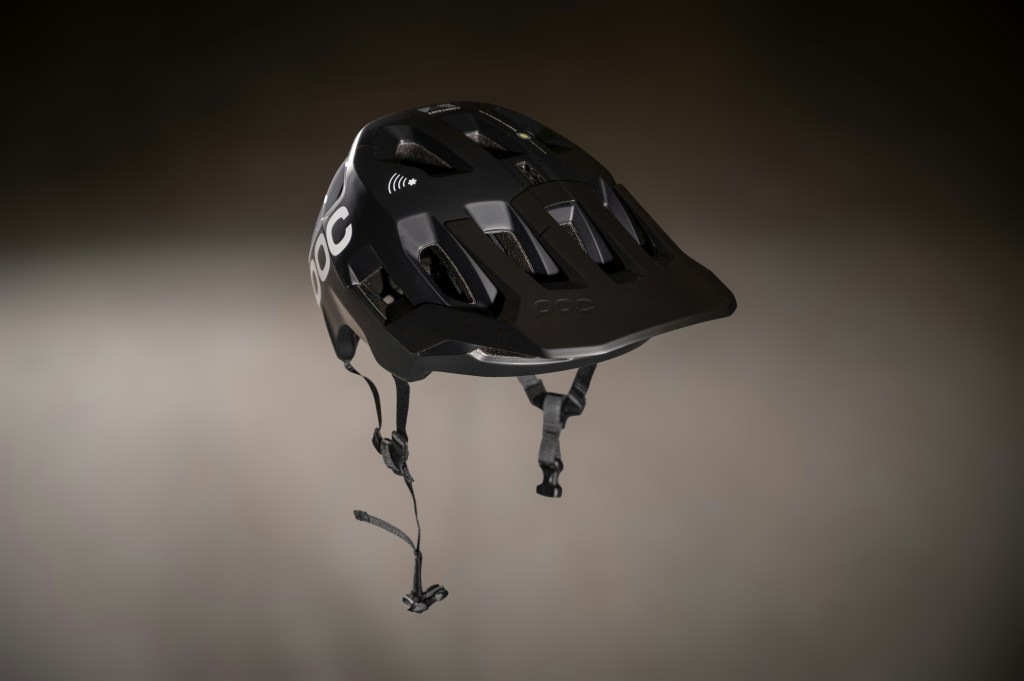
Key Benefits of a Gravel Bike Helmet:
- Enhanced impact protection for off-road riding.
- Improved ventilation to keep you cool during long, strenuous rides.
- Designed to be lightweight for greater comfort on extended trips.
- Better coverage at the back of the head for added security on unpredictable surfaces.
If you’re building your essential cycling kit for gravel biking, investing in the right helmet should be a priority. See my earlier post ‘Essential Gear for your Gravel Riding Adventures,’ here: Essential Gear for your gravel riding adventures
Key Considerations When Buying a Gravel Bike Helmet – Fit, Safety & Comfort
With many options available, it’s easy to feel overwhelmed when choosing the right helmet. Below, we break down the key factors to consider, so you can make an informed decision tailored to your needs.
1. Helmet Fit and Sizing
The fit of your helmet is paramount. A properly fitted helmet should sit snugly on your head, without causing discomfort. To guarantee a good fit:
- Measure your head circumference: Most helmets come in a range of sizes. These sizes are typically small, medium, and large. They correspond to specific measurements.
- Adjust the retention system: Many helmets feature a dial-adjust system to fine-tune the fit for better comfort and stability.
- Check the chin straps: Confirm the straps form a “V” shape under your ears. There should be just enough room to comfortably fit a finger between your chin and the strap.
Tip: A gravel bike helmet should stay secure on your head. It should stay secure even when you shake it side to side without fastening the straps.
2. Helmet Ventilation
Ventilation plays a critical role in your comfort, especially during longer rides. Gravel biking can be a high-intensity activity, so you’ll want a helmet that allows for maximum airflow to prevent overheating. Look for helmets with strategically placed vents and channels that encourage air circulation.
- More vents often mean better airflow, but it’s important to balance this with the need for adequate protection.
- Some gravel helmets come with added features like moisture-wicking pads or sweat guides to help keep you dry.
3. Weight and Comfort
When you’re riding for hours at a time, the weight of your helmet becomes a crucial consideration. Gravel bike helmets are designed to be lightweight without sacrificing protection. A lighter helmet reduces strain on your neck and shoulders. This is especially important on rough terrain. On rough terrain, you’re constantly adjusting your body position.
- Carbon and composite materials are commonly used to keep helmets lightweight while maintaining strength.
- Look for features like padding, internal straps, and a comfortable retention system to enhance the helmet’s overall comfort.
4. Essential Safety Features in Modern Gravel Bike Helmets
All helmets sold for cycling must meet specific safety standards, but some come with extra technologies for extra protection. Here’s what to look for:
- MIPS (Multi-Directional Impact Protection System): MIPS technology is designed to reduce rotational forces on the brain during angled impacts. These impacts are common in off-road accidents.
- SPIN (Shearing Pad Inside): Like MIPS, SPIN uses pads that can rotate inside the helmet to dissipate force from impacts.
- Look for helmets that meet or exceed CPSC, EN 1078, or ASTM standards.
These certifications and technologies ensure your gravel bike helmet is equipped to protect you, even in unexpected situations.
5. Coverage and Protection
Gravel cycling often involves bumpy, rocky paths, so having extra protection around the back of your head is important. Unlike road bike helmets, gravel bike helmets often offer more coverage. They give more coverage particularly at the base of the skull. The base of the skull is more vulnerable during falls.
- Opt for helmets that offer extended coverage at the rear and sides without compromising ventilation or comfort.
6. Helmet Aesthetics and Features
While safety should always come first, design and features are still important. Some gravel bike helmets come with built-in visors. They also have mounts for accessories like cameras or lights. These features can be useful for gravel cyclists who enjoy documenting their rides. They are also helpful for cycling in low-light conditions.
- Removable visors: Protect your eyes from the sun, rain, or debris.
- Accessory mounts: Attach a GoPro or a light for more functional use on the trail.
Top Helmet Recommendations for Gravel Cyclists
To give you a head start, here are some well-reviewed helmets that suit gravel biking’s unique demands. The product titles are clickable.
- POC Omne Air Spin
- Lightweight, featuring SPIN technology for extra impact protection.
- Excellent ventilation for long, challenging rides.
- Sleek design with extended rear coverage.
- Giro Source MIPS
- Affordable yet durable, with MIPS technology.
- Great for all-day comfort and protection on varied terrain.
- Adjustable visor and advanced ventilation system.
- Bell XR Spherical
- Premium option with an advanced design featuring Spherical technology and dual-layer impact protection.
- A bit heavier, but offers superb coverage and a stylish look.
Each of these helmets would be a great addition to your essential cycling kit. They offer both the protection and comfort you need when riding off-road.
Maintenance Tips for Your Gravel Bike Helmet
Your gravel bike helmet is an investment in your safety. Proper care is essential. This will guarantee it performs when you need it most.
- Regularly check for damage: Inspect your helmet before and after each ride for cracks or other signs of wear.
- Clean it regularly: Use mild soap and water to clean the inside and outside of your helmet. Avoid harsh chemicals as they can degrade the materials.
- Replace after impact: Helmets are designed to absorb one impact. If you’ve been in a crash, it’s time to replace your helmet, even if there’s no visible damage.
- Replace every 3-5 years: Even if it hasn’t been involved in an accident, replace your helmet every few years. Materials can degrade over time.
Frequently Asked Questions
1. Do I need a specific “gravel” helmet or can I use a regular road bike helmet?
Yes — while a standard road helmet will offer basic protection, a helmet designed for gravel cycling often gives extra rear and side coverage (which is useful on uneven terrain), better ventilation, and features suited to off‑road use. Your guide covers what to look for.
2. What helmet certifications should I check for the UK & EU?
Look for helmets that meet recognised standards such as EN 1078 (Europe) or CPSC (United States) if shopping globally. Some helmets also carry additional impact protection tech (like MIPS or SPIN) which you may see mentioned in your article.
3. How should a helmet fit and how do I measure for size?
A well‑fitting helmet should sit level on your head (not tilted back), with the retention system snug but comfortable. Measure your head circumference with a soft tape just above the eyebrows. Most helmets come in S/M/L sizes that correspond. Adjust straps so they form a “V” under each ear and you should be able to insert one finger between the chin strap and your chin.
4. When should I replace my helmet?
You should replace your helmet if it has been involved in a crash (even minor) because its internal structure may have been compromised. Even without an impact, most manufacturers advise replacing a helmet every 3‑5 years because materials can degrade over time.
5. Is more ventilation always better for a gravel helmet?
Ventilation is important — especially on longer or harder rides where you may heat up — but it must be balanced with protective coverage. A helmet with many vents is good, but make sure it still offers solid rear/side coverage and meets safety standards for off‑road use.
6. What additional features are useful for gravel riding?
Some things to look for:
- A removable visor (to help shield your eyes from sun, rain or trail debris).
- Accessory mounts (for lights or cameras).
- Lightweight construction (to reduce neck/shoulder strain, especially if you ride long).
- Sweat‑wicking or removable padding for extra comfort.
7. Is there a difference in helmet choice for riders over 50 (which is your site’s audience)?
Yes, for riders over 50 comfort, weight and fit become even more important. A lighter helmet helps reduce fatigue on the neck/shoulders. Good ventilation helps if your body’s temperature regulation has changed. Also ensure the retention and strap system is easy to adjust and comfortable — older riders may prefer models that are simpler to fine‑tune.
8. Can I personalise the look of my helmet (colours, decals) or does this affect safety?
You can personalise the look as long as you don’t compromise safety. Avoid covering vents or adding large heavy accessories that might change how the helmet sits on your head. Any modifications should not interfere with how the helmet was designed to work.
9. Should I buy a helmet online or go into a shop?
Both options have advantages. Buying online often gives you better selection and price; but trying in‑store lets you test fit and comfort. If you buy online, ensure you check size carefully, read return‑policy terms, and test the helmet when it arrives (shake head side‑to‑side once strapped to check fit).
10. What’s my next step after choosing a helmet?
After you’ve chosen and fitted your helmet:
- Inspect it regularly for cracks or damage.
- Clean it gently (mild soap + water; avoid harsh chemicals).
- Ensure strap retention and dial system remain in good condition.
- Then pair the helmet with other core gear (as covered in your earlier “Essential Gear” article) so you’re ready to enjoy your gravel rides safely and confidently.
Conclusion
Choosing the right gravel bike helmet is one of the most important decisions you’ll make as a gravel cyclist. The ideal helmet not only provides essential protection. It also enhances your comfort. This lets you fully enjoy the unique challenges and adventures that gravel biking offers. Whether you value advanced safety features like MIPS, a lightweight design, or extra ventilation. There’s a helmet out there that fits your specific needs.
As you build your essential cycling kit, remember to focus on safety. Invest in high-quality gear that will last through your gravel cycling journey. For more tips on cycling gear and bike maintenance, be sure to check out our other articles.
Have you found your perfect gravel bike helmet yet? Share your experience in the comments below. Let us know if you have any questions about choosing the right helmet.
Read our latest articles below
- Strength, Stability and Staying Upright: The Fitness Most Gravel Riders Ignore
- Building Gravel Fitness Without Breaking Yourself: How to Train Smarter at 50+
- New Year, New Legs: A Realistic Fitness Reset for Gravel Riders Over 50
- Best Map Apps & Tools for Planning UK Gravel Cycling & Bikepacking Trips (Beginners Guide)
- Best Cycling Shoes for Gravel Riders Over 50: Comfort, Fit & Top Picks for UK Trails
Stay in the loop with all things gravel cycling! Subscribe to our newsletter and get expert tips, gear guides, and ride inspiration delivered straight to your inbox. Perfect for UK cyclists over 50, our updates help you ride smarter, safer, and more confidently. Join our community and never miss a trail-ready tip again!

Join Beyond Tarmac
Every two weeks, dive into gravel endurance insights, rider stories, and tested gear.
Subscribe Free on Substack

Leave a reply to Essential Gear for Your Gravel Riding Adventures – GravelEndurance Cancel reply