Introduction
Endless forest tracks, rolling moorland and forgotten byways — that’s the magic of gravel riding in the UK. But if you’re new to this style of cycling, or returning to the bike in your 50s and beyond, there’s a hurdle that sneaks up on almost everyone. It’s not gearing or training plans — it’s getting your nutrition right.
Fuelling your body correctly can mean the difference between finishing your ride strong — or limping home drained. In this guide, we’ll cover cycling nutrition tips for long gravel rides, practical advice on hydration strategies for long distance gravel cycling, and what recovery foods work best for older riders. Whether you’re preparing for your first 50-mile gravel ride, training with friends on e gravel bikes, or planning a weekend bikepacking UK adventure, this guide gives you everything you need to fuel smarter, ride longer, and recover better.

Why Nutrition Matters More After 50
As we age, our bodies process energy differently. Muscle mass naturally declines, metabolism slows, and hydration balance becomes more important. That means fuelling and recovery strategies that worked in your 30s may not work as effectively now.
The good news? With the right approach, riders over 50 can thrive on long gravel rides — even outperforming younger cyclists when it comes to stamina and endurance. Nutrition is your secret weapon.
Before the Ride: Preparing Your Fuel Tank
Getting your nutrition right before you start pedalling is critical. Think of it as filling the fuel tank before a long drive.
For a deeper dive into fuelling basics, check out Cycling UK’s Nutrition Tips for Cycling — a great overview of how to fuel efficiently before, during, and after your rides.
What to Eat Before a Gravel Ride
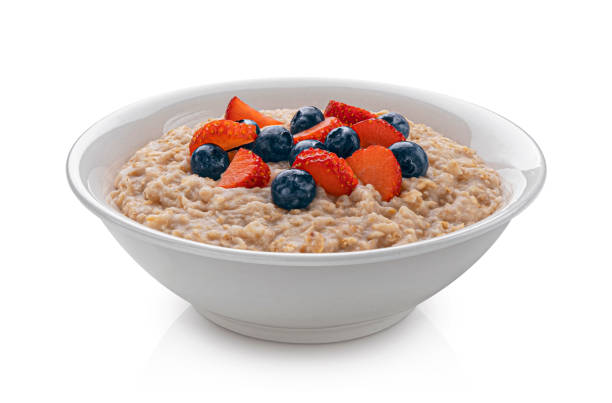
- 2–3 hours before riding: Focus on complex carbohydrates with a moderate amount of protein. Porridge with berries and Greek yoghurt, or scrambled eggs on wholegrain toast, are excellent choices.
- Avoid heavy fats: Foods like bacon or fried breakfasts slow digestion, leaving you sluggish.
- Hydrate early: Drink at least 500ml of water or an electrolyte drink before rolling out.
If you’re new to gravel cycling or getting back on the bike after a break, you’ll find plenty of practical advice in our guide for older riders. From choosing the right setup to building confidence on mixed terrain, it’s the perfect place to start.
👉 Read more here: Gravel Cycling for Beginners Over 50: A UK Guide
During the Ride: Smart Fuelling Strategies
When gravel rides stretch beyond 90 minutes, nutrition during the ride becomes crucial.
Cycling Nutrition Tips for Long Gravel Rides
- Aim for 40–60g of carbs per hour. Energy gels, flapjacks, bananas, or rice cakes are all excellent.
- Mix it up. Solid foods are better early in the ride; gels and liquids are easier later when fatigue sets in.
- Best energy foods for endurance cycling over 50: Dates, figs, nut butters, and oat bars provide steady energy without spikes.
Hydration Strategies for Long Distance Gravel Cycling
- Sip, don’t gulp. Take small, frequent sips every 10–15 minutes.
- Electrolytes matter. Especially in colder months when hydration is often overlooked.
- Hydration packs vs. bottles. For UK gravel cycling, a 2-litre hydration pack plus two bottles is ideal for rides over 3 hours.
After the Ride: Recovery Matters
Many beginners skip recovery nutrition — but this is where older cyclists can make the biggest gains.
Recovery Nutrition for Older Gravel Cyclists
- Protein within 30 minutes. Aim for 20–30g protein, e.g. a whey shake, chicken wrap, or cottage cheese with fruit and nuts.
- Carbs to restore glycogen. Pasta, rice, or sweet potatoes help restock energy reserves.
- Hydration continues. Replace lost fluids with water and electrolytes.
Think of recovery as your ticket to riding again tomorrow without fatigue or soreness.
Good nutrition isn’t the only key to long, enjoyable rides — your bike needs care too. Before your next endurance session, make sure your setup is ready for the miles ahead.
👉 Learn how to keep your bike in top shape through the colder months in our guide: Winter Gravel Bike Maintenance.
Special Considerations for e-Gravel Bikes
Riders on e gravel bikes often assume nutrition isn’t as important because the motor provides assistance. But long-distance rides still require sustained energy, especially for handling, balance, and endurance on mixed terrain. The same principles apply: fuel regularly, hydrate well, and prioritise recovery.
Bikepacking UK: Nutrition on Multi-Day Gravel Adventures
When bikepacking in the UK, nutrition becomes both practical and strategic. You may not have regular access to shops or cafés, so carrying the right foods is key.
- Pack calorie-dense foods. Peanut butter sachets, flapjacks, and dried fruit save space while providing big energy.
- Plan resupply points. Map village shops or cafés into your route.
- Think about storage. Frame bags and handlebar bags are perfect for keeping food accessible.
Common Mistakes Beginner Gravel Cyclists Make
- Not eating until hungry. By then, it’s too late — performance drops.
- Relying only on water. Electrolytes are crucial, even in cold UK winters.
- Skipping recovery. Older bodies need deliberate post-ride fuel to adapt and rebuild.
FAQs: Cycling Nutrition for Long Gravel Rides
Q1: What are the best cycling nutrition tips for long gravel rides?
A1: Fuel consistently with 40–60g carbs per hour, mix solid and liquid sources, and maintain hydration with electrolytes.
Q2: What are the best energy foods for endurance cycling over 50?
A2: Oats, bananas, figs, nut butters, and slow-release oat bars are excellent for steady energy release.
Q3: What are the best hydration strategies for long distance gravel cycling?
A3: Sip fluids every 10–15 minutes, use electrolyte tablets, and carry both bottles and a hydration pack for rides over 3 hours.
Q4: What should I eat before and during a gravel bike ride?
A4: Before: porridge, yoghurt, or scrambled eggs on toast. During: bananas, flapjacks, gels, or rice cakes every 45–60 minutes.
Q5: What’s the best recovery nutrition for older gravel cyclists?
A5: Within 30 minutes, consume 20–30g protein plus carbs (rice, pasta, or sweet potatoes) and plenty of fluids with electrolytes.
Fuel your rides smarter and recover stronger. Want more beginner-friendly tips on gravel cycling, bikepacking UK, and staying fit over 50?
👉 Subscribe to our blog today and never miss a post!
(You’ll get fresh advice straight to your inbox — practical, tested, and designed for riders just like you.)
More gravel goodness below 👇 Check out my latest posts and keep the adventure going.
- Strength, Stability and Staying Upright: The Fitness Most Gravel Riders Ignore
- Building Gravel Fitness Without Breaking Yourself: How to Train Smarter at 50+
- New Year, New Legs: A Realistic Fitness Reset for Gravel Riders Over 50
- Best Map Apps & Tools for Planning UK Gravel Cycling & Bikepacking Trips (Beginners Guide)
- Best Cycling Shoes for Gravel Riders Over 50: Comfort, Fit & Top Picks for UK Trails


Leave a comment