Introduction
If you ride a gravel bike in the UK, you might be wondering where you can legally explore off-road without getting into trouble. Gravel cycling has exploded in popularity, but understanding rights of way, bridleways, byways, and open access land is crucial. This guide breaks down the rules across England, Wales, Scotland, and Northern Ireland and provides practical tips for planning your rides, plus recommended regions and routes for gravel biking in 2025.
Gravel Bike Access Rights in the UK
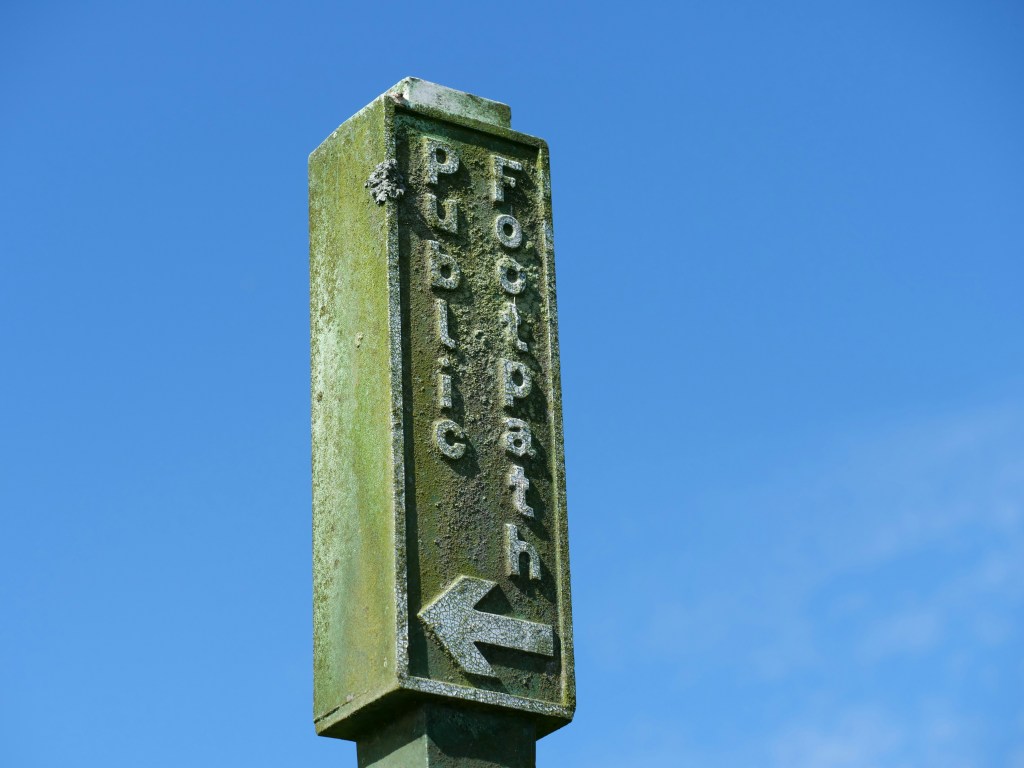
England
In England, most bridleways allow cycling. Restricted byways are better suited for experienced riders because of rough terrain. Open access land is only accessible for walking, not cycling, unless explicitly permitted.
Tips for Gravel Riders in England:
- Stick to bridleways and byways for off-road adventures.
- Check Ordnance Survey (OS) maps or Komoot before heading out.
- Popular gravel-friendly regions: The Cotswolds, Peak District, North Yorkshire Moors.
Wales
Wales is slightly more generous in access rights. Many national trails and forestry tracks allow cycling, but mountain biking areas often have restrictions.
Recommended Welsh Regions:
- Brecon Beacons: smooth gravel tracks and scenic routes.
- Cambrian Mountains: challenging trails for seasoned gravel riders.
- Snowdonia’s lesser-known bridleways for quieter rides.
Scotland
Scotland has the most cyclist-friendly laws in the UK thanks to the Land Reform Act. Most open land is accessible for responsible cycling.
Tips for Scottish Gravel Adventures:
- Always follow the Scottish Outdoor Access Code.
- The Highlands and Cairngorms offer some of the most epic gravel rides in the UK.
- Use OS maps to identify old drovers’ roads and forest tracks.
Northern Ireland
Northern Ireland has stricter access rules. Bridleways are limited, and most private land is off-limits without permission.
Top NI Gravel Options:
- Tollymore Forest Park offers accessible gravel tracks.
- Mourne Mountains for advanced riders seeking challenging routes.
Top Gravel-Friendly Regions in the UK
To make your gravel rides more enjoyable, here’s a quick regional roundup:
| Region | Best For | Notes |
|---|---|---|
| Cotswolds | Rolling countryside gravel | Smooth bridleways, scenic villages |
| Peak District | Mixed terrain trails | Good signage, forest tracks |
| Brecon Beacons | Moderate challenge | Forestry tracks, small climbs |
| Scottish Highlands | Epic long-distance rides | Remote routes, breathtaking scenery |
| Lake District | Short/long loops | Rougher terrain, careful with wet surfaces |
“Once a month, I send out Beyond Tarmac — a gravel endurance newsletter filled with gear reviews, ride stories, and inspiration to keep you pedaling.”
Subscribe Free →
Planning Your Gravel Ride
- Check Maps: OS Maps, Komoot, or Ride with GPS are essential for route planning.
- Bike Setup: Wider tyres (35–45mm) handle gravel tracks better.
- Ride Responsibly: Stick to marked trails, respect wildlife, and follow local access laws.
- Gear Tips: Bring mudguards and lightweight panniers for longer UK gravel tours.
FAQ – Gravel Bike Rights of Way UK
Q: Can I ride a gravel bike on open access land in England?
A: No, open access land is primarily for walking. Stick to bridleways and byways.
Q: Are all bridleways suitable for gravel bikes?
A: Most are rideable, but some may be muddy or rocky. Check OS Maps or Komoot for trail conditions.
Q: Do I need permission for forest tracks?
A: Many public forestry tracks are open to cycling, but always check local signs and landowner rules.
Q: Where can I find gravel-friendly routes in the UK?
A: Regions like the Cotswolds, Peak District, Brecon Beacons, and Scottish Highlands offer excellent gravel trails.
Key Takeaways
- England and Northern Ireland have more restrictive cycling rights; stick to bridleways and byways.
- Scotland is the most open, with most land accessible to cyclists under responsible access laws.
- Use OS Maps, Komoot, or local cycling apps to plan routes safely.
- Choose gravel-friendly regions for scenic rides and varied terrain.
Share your favourite UK gravel ride in the comments below, or subscribe to get updates on the best trails and gravel bike tips for 50+ riders. Follow us on Instagram for route inspiration and gravel community stories.
Subscribe below to receive gravel cycling articles direct to your inbox.
Public access laws in the UK differ across the four nations—England, Wales, Scotland, and Northern Ireland—reflecting varying legal frameworks and traditions. Here’s a summary of the key differences:
England
- Public Rights of Way: Include footpaths (pedestrians only), bridleways (pedestrians, horse riders, and cyclists), restricted byways (non-motorized vehicles), and byways open to all traffic (including motor vehicles).
- Open Access Land: Under the Countryside and Rights of Way Act 2000 (CRoW), the public can access designated areas like mountains, moors, heaths, and downs for activities such as walking and running.
- Wild Camping: Generally prohibited without landowner permission, except in specific areas like Dartmoor, where a recent Supreme Court ruling affirmed the right to wild camp without permission.
Wales
- Public Rights of Way: Similar to England, with footpaths, bridleways, restricted byways, and byways open to all traffic.
- Open Access Land: Also governed by the CRoW Act, allowing access to designated areas for recreational activities.
- Wild Camping: Not permitted without landowner consent.
Scotland
- Right to Roam: Established by the Land Reform (Scotland) Act 2003, granting the public the right to access most land and inland water for recreational and educational purposes, provided they act responsibly.
- Scottish Outdoor Access Code: Provides guidance on responsible access, emphasizing respect for privacy, safety, and the environment.
- Wild Camping: Permitted under the right to roam, as long as it’s done responsibly and not near dwellings or in enclosed fields.
Northern Ireland
- Public Rights of Way: Limited compared to other UK nations. Access is primarily through designated paths, and there is no general right to roam.
- Access to Countryside: Governed by the Access to the Countryside (Northern Ireland) Order 1983, which provides limited rights and is considered restrictive.
- Wild Camping: Generally not allowed without landowner permission.
These distinctions highlight the varying degrees of public access across the UK, with Scotland offering the most extensive rights under its right to roam legislation.
Public Rights of Way.
In the UK, public rights of way are categorized into four main types: footpaths, bridleways, restricted byways, and byways open to all traffic (BOATs). Each type has specific rules regarding who can use them and how. Here’s a breakdown:
Footpath
- Access: Pedestrians only.
- Cycling: Not permitted unless the landowner grants permission.
- Waymarking: Yellow arrows.
- Description: These are paths where the public has the right of way on foot only. They are often unsurfaced and may cross private land.
Bridleway
- Access: Pedestrians, horse riders, and cyclists.
- Cycling: Permitted, but cyclists must give way to walkers and horse riders.
- Waymarking: Blue arrows.
- Description: Bridleways allow travel on foot, horseback, and bicycle. Cyclists are legally allowed but may find some bridleways challenging due to terrain.
Restricted Byway
- Access: Pedestrians, horse riders, cyclists, and non-mechanically propelled vehicles (e.g., horse-drawn carriages).
- Cycling: Permitted.
- Waymarking: Purple arrows.
- Description: Restricted byways permit travel on foot, horseback, bicycle, and non-motorized vehicles. Mechanically propelled vehicles (e.g., cars, motorcycles) are not allowed.
Byway Open to All Traffic (BOAT)
- Access: All users, including pedestrians, horse riders, cyclists, and motor vehicles.
- Cycling: Permitted.
- Waymarking: Red arrows.
- Description: BOATs are highways over which the public has a right of way for all kinds of traffic, including motor vehicles. However, they are mainly used for walking, cycling, and horse riding, and may not be maintained to the same standard as regular roads.
Summary Table
| Type | Who Can Use It | Cycling Allowed? | Waymarking |
|---|---|---|---|
| Footpath | Pedestrians only | ❌ No | Yellow |
| Bridleway | Pedestrians, horse riders, cyclists | ✅ Yes | Blue |
| Restricted Byway | Pedestrians, horse riders, cyclists, non-motorized vehicles | ✅ Yes | Purple |
| Byway Open to All Traffic (BOAT) | All users, including motor vehicles | ✅ Yes | Red |
Access laws by nation
Public access laws in the UK vary across its four nations—England, Wales, Scotland, and Northern Ireland—reflecting different legal frameworks and cultural approaches to land access. Here’s a concise overview:
England
Public Rights of Way:
- Footpaths: Accessible to pedestrians only.
- Bridleways: Open to walkers, horse riders, and cyclists (cyclists must yield to others).
- Restricted Byways: Permitted for walkers, horse riders, cyclists, and non-motorized vehicles (e.g., horse-drawn carriages).
- Byways Open to All Traffic (BOATs): Accessible to all users, including motor vehicles, though primarily used by walkers and riders.
Open Access Land:
Under the Countryside and Rights of Way Act 2000, the public can access designated “open access” land (e.g., mountains, moors, heaths) for walking. However, activities like cycling, horse riding, and camping are generally restricted unless permitted by the landowner.
Recent Developments:
In May 2025, the UK Supreme Court affirmed the public’s right to wild camp on Dartmoor without landowner permission, marking a significant precedent for access rights in England.
Wales
Public Rights of Way:
- Footpaths: For pedestrians only.
- Bridleways: Accessible to walkers, horse riders, and cyclists.
- Restricted Byways: Open to walkers, horse riders, cyclists, and non-motorized vehicles.
- Byways Open to All Traffic (BOATs): Available to all users, including motor vehicles.
Access Land:
Similar to England, the Countryside and Rights of Way Act 2000 provides access to designated open land for walking. Other activities may require landowner permission.
Scotland
Access Rights:
Scotland offers some of the most extensive public access rights in the UK. The Land Reform (Scotland) Act 2003 grants the public the right to access most land and inland water for recreational and certain other purposes, provided it’s done responsibly.
Key Points:
- Access is permitted for activities like walking, cycling, horse riding, and wild camping.
- Motorized vehicles are excluded unless on designated routes.
- The Scottish Outdoor Access Code outlines responsibilities for both land users and landowners to ensure access is exercised responsibly.
Northern Ireland
Public Rights of Way:
- Footpaths: Open to pedestrians.
- Bridleways: Accessible to walkers and horse riders.
- Carriageways: Available to walkers, cyclists, horse riders, horse-drawn vehicles, and motor vehicles.
Access Considerations:
Public access in Northern Ireland is more limited compared to other UK nations. There is no general “right to roam,” and access to land is typically restricted to designated paths and areas. Landowner permission is often required for activities beyond these designated routes.
Summary Table:
Gravel Bike Access in the UK – Quick Reference
| Path Type | England & Wales | Scotland | Northern Ireland |
|---|---|---|---|
| Footpaths | 🚫 No cycling | ✔ Often allowed (responsible access) | 🚫 No cycling |
| Bridleways | ✔ Legal access | ✔ Permitted | ✔ Permitted |
| Restricted byways | ✔ Legal access | ✔ Permitted | ✔ Permitted |
| Byways (open to traffic) | ✔ Legal access | ✔ Permitted | ✔ Permitted |
| Open Access Land | 🚫 No cycling | ✔ Full rights | 🚫 No cycling |
Tip: Use OS Maps or Komoot to confirm bridleways and byways before riding.
Note: “✅” indicates permitted access; “❌” indicates restricted or no general access; “N/A” denotes not applicable or not formally designated.


Leave a reply to Best Map Apps & Tools for Planning UK Gravel Cycling & Bikepacking Trips (Beginners Guide) – Gravel Endurance Cancel reply